Is Retina Operation Risky? Risks & Recovery Explained
Hearing the word “retina surgery” can feel overwhelming. For most people, the retina is something they have never thought about until vision starts getting affected. So when surgery is advised, the first reaction is usually fear.
The most common question is simple: Is retina operation safe?
Here’s the reality. Retina surgeries are delicate, but they are also highly specialised and routinely performed. Understanding retina surgery in the right context helps reduce fear and allows you to make a more confident decision.
Why Retina Surgery is Needed in the First Place?
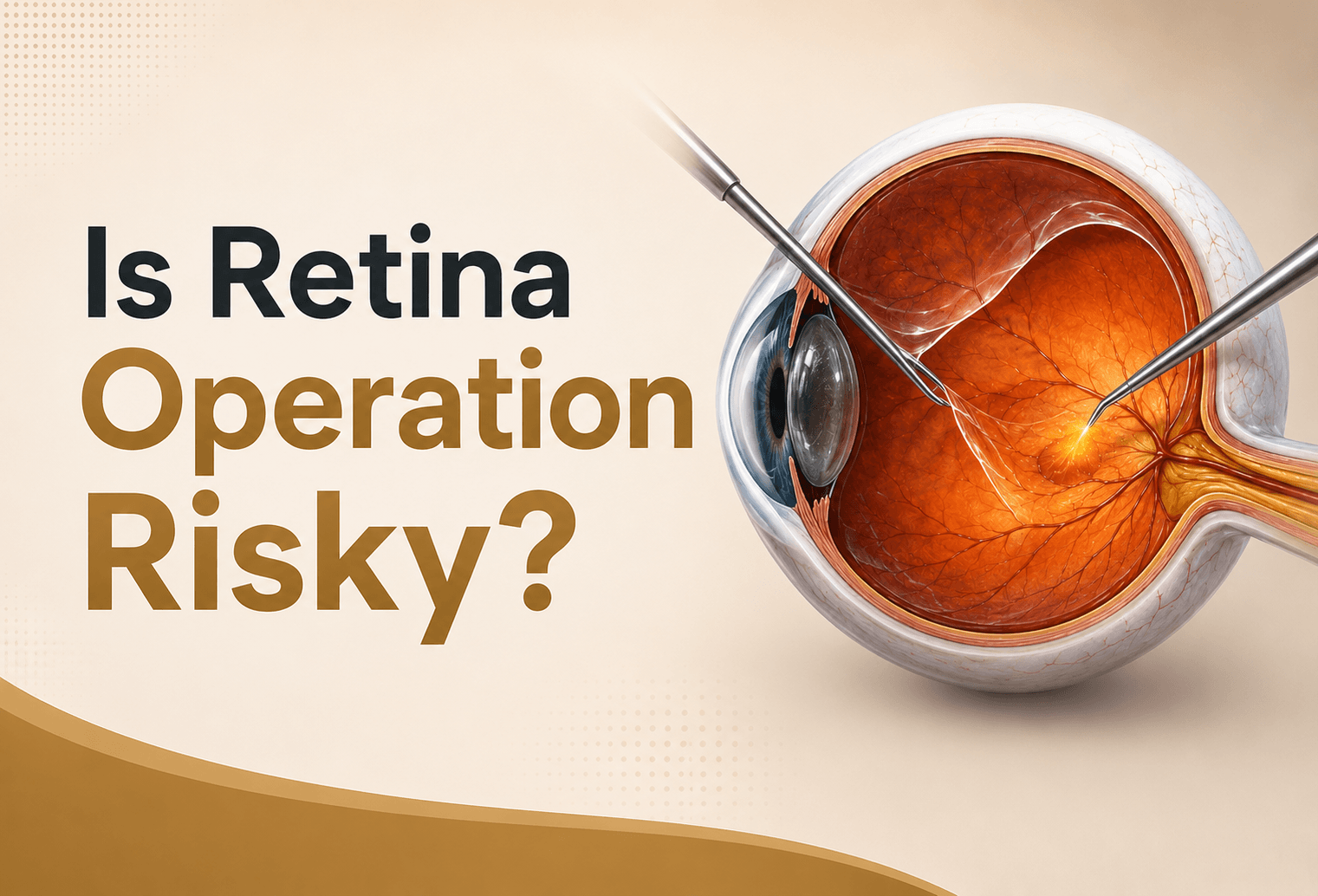
The retina is a thin layer at the back of the eye responsible for capturing images and sending signals to the brain. When it is damaged, vision can decline quickly.
Surgery is usually recommended in conditions such as:
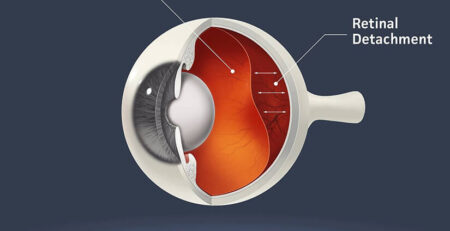
- Retinal detachment, where the retina separates from its normal position
- Complications of diabetic retinopathy that damage retinal blood vessels
- Macular holes that affect sharp, central vision
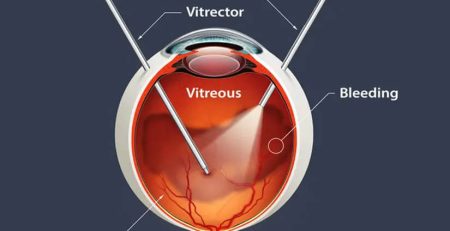
- Vitreous haemorrhage, which is bleeding inside the eye that blocks vision
In many of these cases, delaying surgery can lead to permanent vision loss. So the question is not just about retina surgery risks, but also about the risk of not treating the condition.
Is Retina Operation Safe?
Modern techniques have significantly improved outcomes. So when patients ask, is retina operation safe, the answer is yes, in experienced hands.
Safety depends on:
- Type and stage of retinal condition
- General health of the eye
- Timing of the surgery
- Surgeon’s expertise
At a well-equipped eye hospital in Delhi, retina surgeries are planned with precision, using advanced imaging and surgical tools.
Understanding Retina Surgery Risks Clearly
Every surgical procedure carries some level of risk. The same applies here. However, most retina surgery risks are manageable when identified early.
Possible risks include:
- Infection inside the eye
- Bleeding during or after surgery
- Increase in eye pressure
- Cataract development over time
- Re-detachment in certain cases
These are known complications after retina surgery, but they are not common in every patient. Proper follow-up care plays a major role in preventing them.
Retinal Detachment Surgery Risks
One of the most common retinal procedures is for detachment. Retinal detachment surgery risks depend largely on how early the condition is treated.
If surgery is done early:
- Success rates are high
- Vision recovery is better
If delayed:
- Recovery may be limited
- Multiple procedures may be required
This is why early diagnosis is critical.
Success Rate of Retina Surgery
Patients often feel reassured when they understand outcomes clearly. The success rate of retina surgery is moderate to high, especially for conditions like retinal detachment detected early.
In many cases:
- The retina can be successfully reattached
- Vision can be stabilised or improved
However, visual recovery depends on how long the retina was affected before surgery. This is an important factor that patients should understand.
What Happens After Surgery?
Recovery is a structured process. Understanding retina surgery recovery time helps patients prepare better.
After surgery, patients may experience:
- Blurred vision initially
- Mild discomfort
- Sensitivity to light
In some cases, special positioning of the head is required for a few days. This helps the retina heal properly.
Retina Surgery Recovery Time
The retina surgery recovery time varies depending on the procedure and condition.
Typical recovery may include:
- Initial healing within a few weeks
- Gradual vision improvement over months
- Regular follow-ups to monitor healing
Patience is important. Unlike cataract surgery, visual recovery after retina surgery can take longer.
How to Reduce Complications After Retina Surgery
Many complications after retina surgery can be minimised with proper care.
Patients are advised to:
- Use prescribed eye drops regularly
- Avoid heavy physical activity initially
- Attend all follow-up visits
- Report any sudden vision changes immediately
Following these instructions carefully improves outcomes significantly.
A Practical Way to Look at Retina Surgery
It is natural to focus on risk, but it is equally important to understand the purpose of the surgery.
In most cases:
- Surgery is done to save vision, not just improve it
- Delaying treatment increases the risk more than the surgery itself
- Outcomes are better when treated early
So instead of asking only about retina surgery risks, it helps to look at the overall benefit.
When Your Retina Needs Timely Care
If you are experiencing symptoms like flashes, floaters, sudden vision loss, or distortion, do not ignore them. Early evaluation can prevent serious complications. Dr Anisha Gupta, a skilled specialist at a trusted eye hospital in Delhi, provides detailed retinal assessments and personalised surgical care when needed. With a clear explanation of retina surgery risks and expected recovery, patients are guided through each step with confidence. Book an eye evaluation to protect your vision before it is too late.
FAQs About Retina Surgery Risks
Yes. Retina surgery is generally safe when performed by experienced specialists and with proper planning.
Possible complications include infection, bleeding, or increased eye pressure, but these are manageable with timely care.
The success rate is high, especially when conditions like retinal detachment are treated early.
Initial healing takes a few weeks, but full visual recovery may take a few months.
In some cases, re-detachment can occur, but it is not common and can often be treated.
Vision improvement depends on the severity and duration of the condition before surgery.
If you notice flashes, floaters, or sudden vision changes, consult an eye doctor immediately.