
What Are the Disadvantages of LASIK Eye Surgery?
LASIK is often seen as a quick fix for glasses. And for many people, it works very well. But before making a decision, it’s important to understand the full picture, not just the benefits.
LASIK is often seen as a quick fix for glasses. And for many people, it works very well. But before making a decision, it’s important to understand the full picture, not just the benefits.
LASIK has become one of the most talked-about vision correction procedures, and for good reason. People want freedom from glasses, but they also want certainty. So the question comes up again and again: Is LASIK 100% successful?
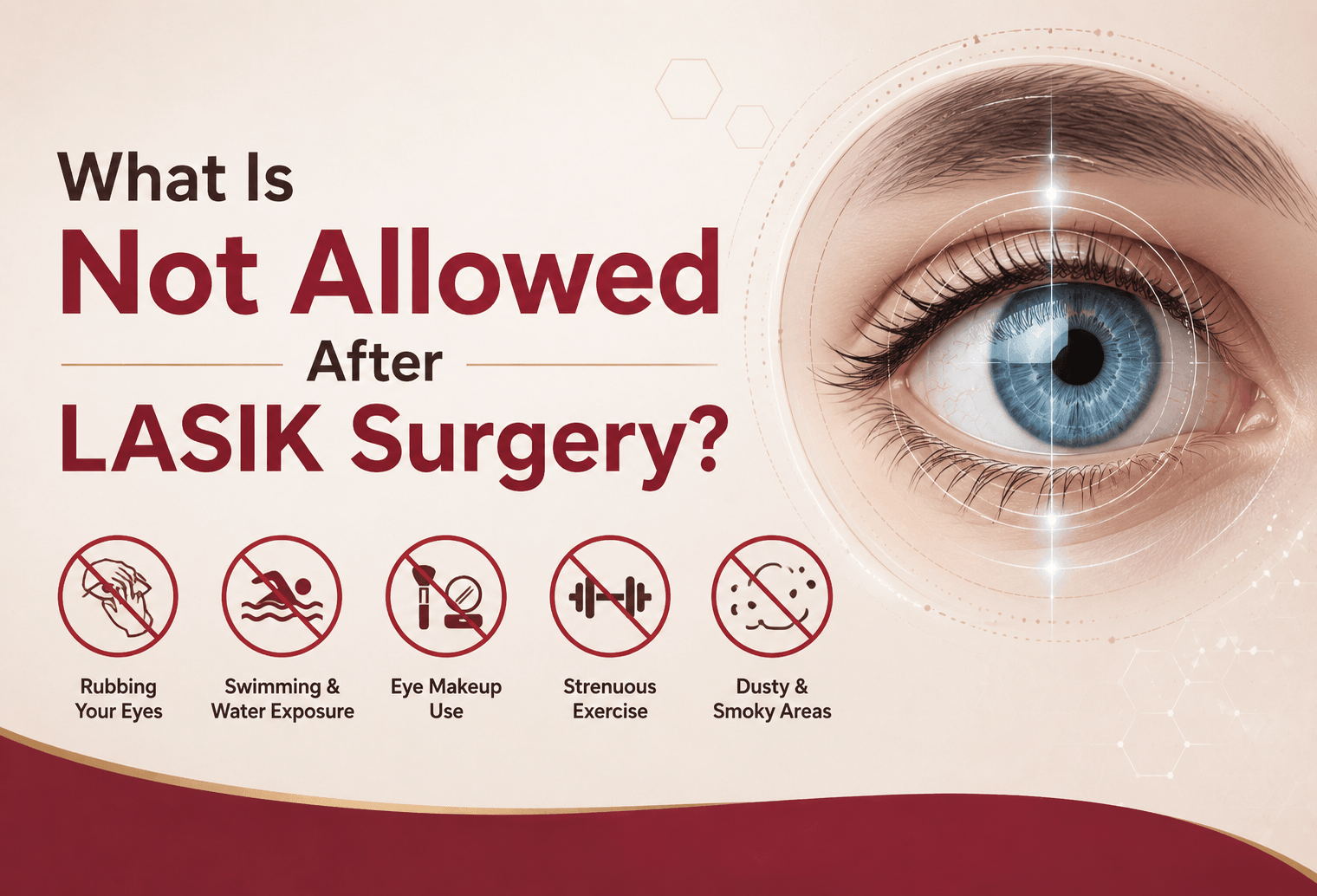
LASIK surgery has transformed vision correction for millions of people who want freedom from glasses and contact lenses. The procedure itself is quick, but the healing phase that follows is just as important as the surgery.

LASIK surgery is often seen as a life-changing procedure because it reduces or eliminates dependence on glasses and contact lenses. Naturally, one of the most common questions patients ask before undergoing the procedure is whether the results last forever.
LASIK surgery has helped millions of people reduce or eliminate their dependence on glasses and contact lenses. Still, one question continues to worry many patients: can eyesight go bad again after LASIK surgery?
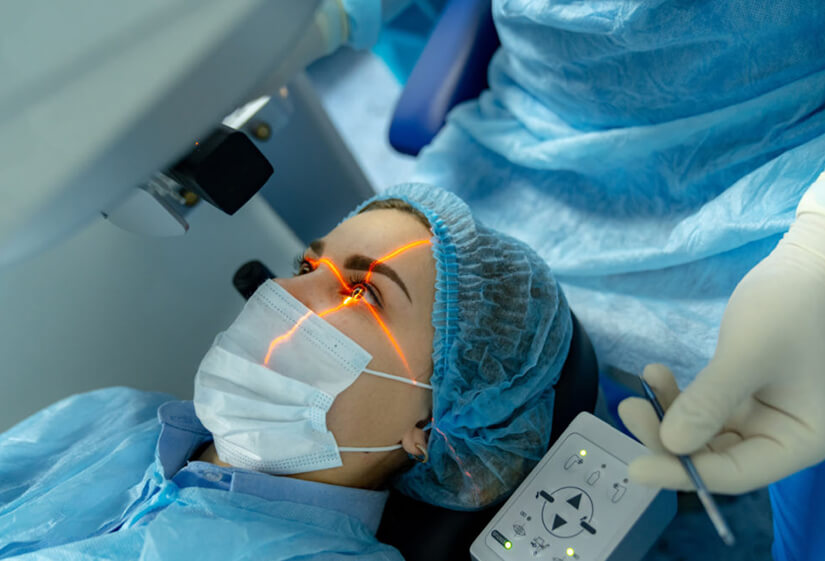
LASIK eye surgery has become one of the most popular vision correction procedures in the world. People who are tired of wearing glasses or contact lenses often consider LASIK as a long-term solution. Still, one question comes up again and again: Is LASIK surgery safe? The short answer is yes,...
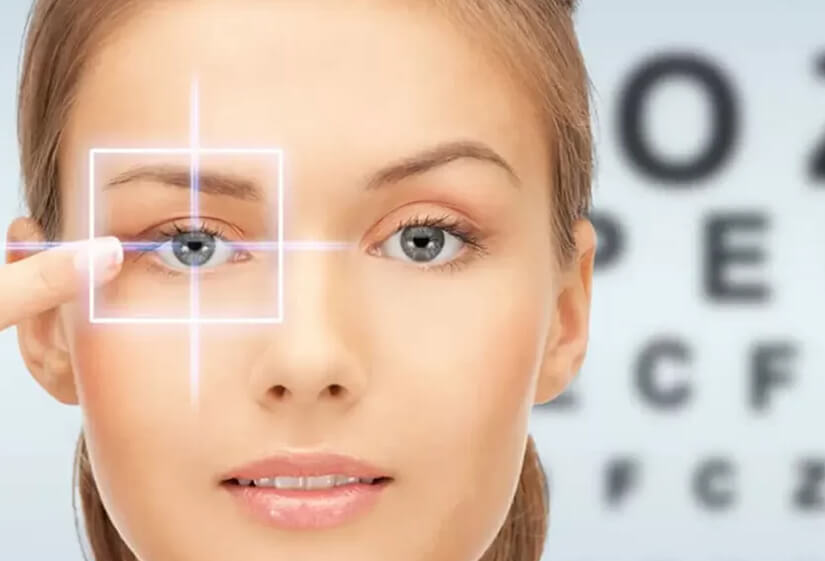
If you’ve ever fumbled with contact lenses early in the morning or felt tired of depending on glasses, you’ve probably wondered if LASIK eye surgery could be a better choice. Both LASIK and contact lenses help you see clearly, but they do so in very different ways.
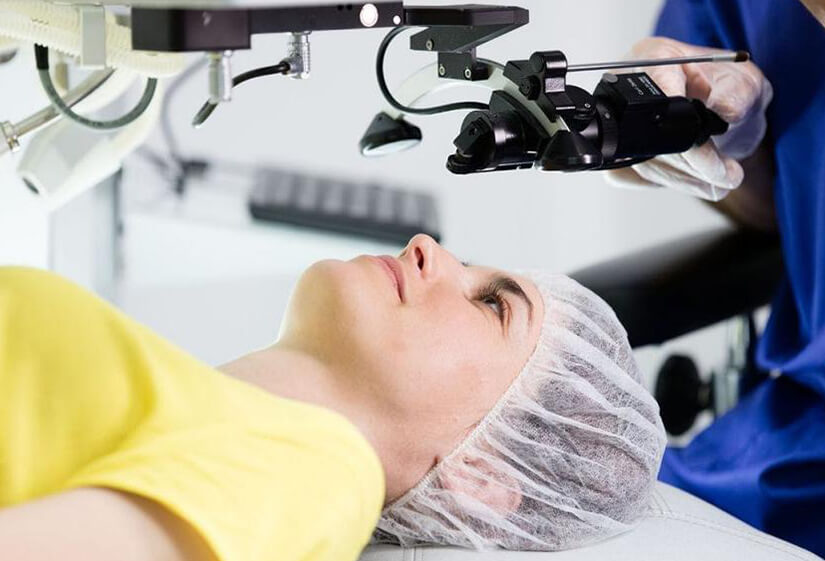
As we age, many of us find it harder to read fine print, use a smartphone without stretching our arms, or focus quickly between near and distant objects. This common age-related condition is called presbyopia, and it typically starts becoming noticeable in our early to mid-40s.

Let’s clear the air: there’s no one-size-fits-all or “best” treatment to remove glasses. Your unique eye parameters, corneal thickness, eye power, lifestyle needs, and overall eye health-determine the right procedure for you.
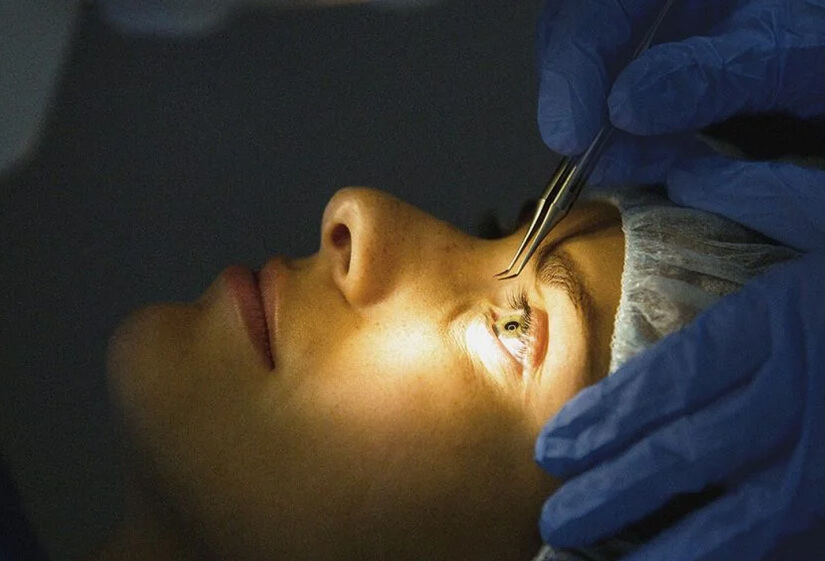
Laser eye surgery has changed the landscape of vision correction, offering people a life free from glasses and contact lenses. However, one of the biggest questions patients have before considering the procedure is, how much does laser eye surgery cost?