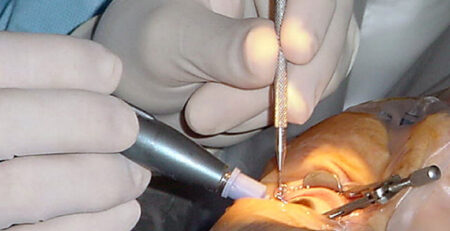

Can Diabetics Have Cataract Surgery Safely?
If you are living with diabetes and have been told you need cataract surgery, the first concern is usually safety. Many patients ask this directly: Is cataract surgery safe for diabetes patients?
Here’s the thing. Diabetes does add a layer of complexity, but it does not mean surgery is unsafe. In fact, cataract surgery for diabetics is performed routinely with very good outcomes. What matters is how well the condition is managed before, during, and after the procedure.
Why Cataracts Develop Faster in Diabetes?
Diabetes affects the eye in multiple ways. High blood sugar levels can change the structure of the natural lens, leading to earlier and faster cataract formation.
Compared to non-diabetic individuals:
- Cataracts may develop at a younger age
- Vision may fluctuate more
- Progression can be quicker
This is why many patients with diabetes require surgery sooner. Proper timing becomes an important part of planning cataract surgery for diabetics.
Is Cataract Surgery Safe for Diabetes Patients?
The short answer is yes. Is cataract surgery safe for diabetes patients? In most cases, absolutely. Modern surgical techniques are highly precise and minimally invasive.
However, safety depends on:
- Blood sugar control
- Presence of diabetic retinopathy
- Overall eye health
When these factors are evaluated carefully at a trusted eye hospital in Delhi, outcomes are usually comparable to non-diabetic patients.
Blood Sugar Levels Before Cataract Surgery
One of the most critical aspects is controlling diabetes before surgery. Unstable sugar levels can increase the risk of complications and affect healing.
Doctors usually recommend:
- Fasting and post-meal sugar within acceptable limits
- Stable HbA1c levels
- No recent spikes or uncontrolled diabetes
Maintaining appropriate blood sugar levels before cataract surgery helps reduce infection risk and supports smoother recovery.
Cataract Surgery Risks in Diabetics
While the procedure itself is safe, cataract surgery risks in diabetics are slightly higher compared to non-diabetics. Understanding these risks helps patients prepare better.
Potential concerns include:
- Slower healing response
- Higher chance of post-surgery inflammation or infection
- Worsening of diabetic retinopathy
- Macular swelling (diabetic macular edema)
These risks do not mean surgery should be avoided. They simply mean that diabetic patients eye surgery precautions need to be more carefully followed.
The Importance of Retina Evaluation Before Surgery
One of the most overlooked steps is retinal assessment. Diabetes can affect the retina even before noticeable symptoms appear.
Before planning cataract surgery for diabetics, doctors check:
- Presence of diabetic retinopathy
- Macular health
- Any existing retinal damage
If needed, retinal treatment is done before cataract surgery. This step significantly improves visual outcomes.
Diabetic Patients Eye Surgery Precautions
Good outcomes depend on careful planning, not just the surgery itself. Diabetic patients eye surgery precautions begin even before entering the operation theatre.
Important precautions include:
- Strict blood sugar control
- Following medication schedules
- Avoiding sudden changes in diet or insulin
- Reporting any vision changes immediately
These steps reduce the likelihood of complications and support stable healing.
What to Expect After Surgery?
Recovery after cataract surgery is usually smooth, but recovery after cataract surgery in diabetics may require closer monitoring.
Patients may notice:
- Gradual improvement in vision over days to weeks
- Mild discomfort or watering initially
- Slight delay in healing compared to non-diabetics
Regular follow-ups are essential to monitor retinal health and ensure no complications develop.
Can Vision Fully Improve in Diabetic Patients?
This depends on one key factor: the condition of the retina.
If the retina is healthy, vision after cataract surgery for diabetics can be excellent. However, if diabetic retinopathy is already present, visual improvement may be limited.
If there is retinopathy, further treatment is needed to cure it.
A Balanced Perspective Patients Should Have
Diabetes does not prevent you from having cataract surgery. It simply means your eye care needs to be more structured and closely monitored.
With proper planning:
- Surgery is safe
- Vision can improve significantly
- Long-term outcomes are stable
The focus should not be fear, but preparation.
Clear Vision Begins with the Right Planning
If you have diabetes and are noticing blurred vision, do not delay evaluation. Timely planning can make a significant difference in outcomes. Dr Anisha Gupta, a trusted specialist at a leading eye hospital in Delhi, offers detailed assessments and customised planning for cataract surgery for diabetics. With careful evaluation of blood sugar levels, retinal health, and overall eye condition, the treatment approach is tailored to ensure both safety and clarity. Book a consultation to understand the best path forward for your vision.
FAQs About Cataract Surgery for Diabetics
Yes. With proper blood sugar control and evaluation, cataract surgery is generally safe for diabetic patients.
Blood sugar should be stable and within controlled limits. Your doctor will guide exact targets based on your condition.
Yes, slightly. Risks like slower healing or retinal changes exist, but they are manageable with proper care.
Yes, especially if diabetic retinopathy is present. Retina health plays a key role in the final visual outcome.
Recovery is usually similar but may be slightly slower. Regular follow-ups are important.
Not always. It depends on retinal findings. Some patients may need treatment before cataract surgery.
When vision starts affecting daily activities, and after proper evaluation by an eye specialist at an eye hospital in Delhi.