
How Much Rest Is Required After Cataract Surgery?
Cataract surgery is one of the most commonly performed eye procedures in the world, and it has helped millions of people regain clear vision. Even though modern techniques make the procedure quick and safe, patients often wonder how much rest is actually required afterwards. Many people undergoing cataract surgery in Delhi worry that recovery may involve weeks of inactivity.
In reality, recovery after the cataract surgery procedure is usually smoother and faster than most people expect. With proper care and a few precautions, many patients return to their routine activities within a short period. Understanding how the eye heals and what kind of rest is needed can make the recovery process much more comfortable.
What Happens During Cataract Surgery?
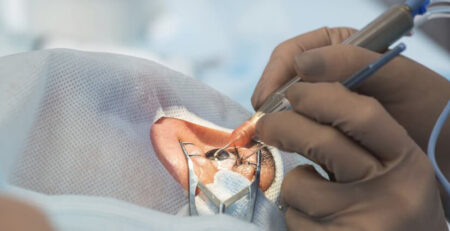
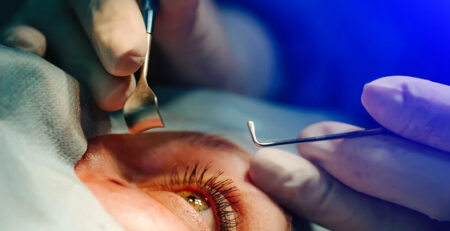
A cataract develops when the natural lens of the eye becomes cloudy, leading to blurred or dim vision. The cataract surgery procedure removes this cloudy lens and replaces it with a clear artificial lens that restores the eye’s ability to focus light properly.
Modern cataract surgery typically involves:
- Small microscopic incisions
- Removal of the cloudy lens using advanced techniques
- Implantation of an artificial intraocular lens
The procedure itself usually takes less than 20 minutes and is performed under local anaesthesia. Because the surgery is minimally invasive, recovery after cataract surgery in Delhi is generally quick.
How Much Rest Is Needed Immediately After Surgery
Most patients are advised to rest for the remainder of the day after the cataract surgery procedure. The eye needs time to recover from the procedure and adjust to the new lens.
During the first 24 hours, it is recommended to:
- Rest the eyes as much as possible
- Avoid reading or screen use for extended periods
- Keep the protective eye shield in place if advised
- Avoid touching or rubbing the eye
Although complete bed rest is not necessary, giving the eyes a calm environment during the first day helps the healing process begin smoothly.
Recovery During the First Week
The first week after cataract surgery in Delhi is an important healing period. Most patients notice improvement in vision within a few days, though the eye may still feel slightly sensitive.
During this stage, patients are usually advised to:
- Use prescribed eye drops regularly
- Avoid heavy lifting or strenuous activity
- Protect the eye from dust and water
- Wear sunglasses outdoors for protection and reducing light sensitivity
- avoid touching/ rubbing the eyes
- Keep blood sugars under control
Light activities such as walking, watching television, or reading for short periods are generally allowed.

When Can Normal Activities Resume?
Many patients are surprised at how quickly they can return to normal routines after the cataract surgery procedure. While healing continues internally for several weeks, everyday activities often resume much sooner.
Most people can:
- Resume light household work within a few days
- Return to office work within a week
- Drive again once the doctor confirms stable vision
However, activities that increase pressure on the eyes, such as intense exercise or bending frequently, may need to be postponed for a short time.
Why Follow-Up Visits Are Important?
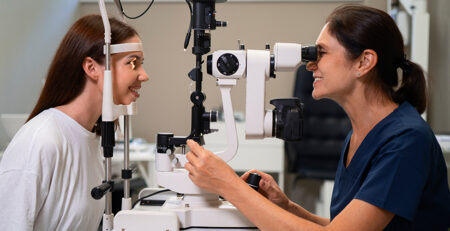
Rest alone does not ensure full recovery. Regular follow-up visits allow the doctor to monitor how the eye is healing and confirm that the artificial lens is functioning correctly.
During follow-up appointments after cataract surgery in Delhi, the doctor checks:
- Clarity of vision
- Healing of the surgical site
- Eye pressure levels
- Any signs of inflammation or infection
These evaluations help ensure that recovery after the cataract surgery procedure remains smooth and complication-free.
Signs That Require Immediate Medical Attention
Although recovery is usually uncomplicated, certain symptoms should never be ignored. Patients should contact an eye doctor in Delhi if they notice:
- Severe eye pain
- Sudden decrease in vision
- Persistent redness
- Increased sensitivity to light
- Unusual discharge from the eye
Prompt medical attention ensures that any issues are addressed early.
Supporting Healing After Cataract Surgery
Rest is important, but healing after cataract surgery also depends on proper eye care and following medical instructions. A balanced approach that combines rest with gradual return to normal activities often gives the best results.
Patients who follow post-surgery guidelines carefully usually experience clearer vision and improved comfort within a few weeks.
Protect Your Vision After Cataract Surgery
Cataract surgery is a highly effective way to restore vision, but recovery care plays an important role in achieving the best results. Taking the right amount of rest, protecting the eye, and attending follow-up visits all contribute to smooth healing after cataract surgery in Delhi.
Dr Anisha Gupta, an experienced eye doctor in Delhi, provides comprehensive guidance before and after the cataract surgery procedure to ensure safe recovery and long-term visual clarity. If you are planning cataract treatment or want to understand the recovery process, scheduling a consultation can help you prepare with confidence.
FAQs About Rest After Cataract Surgery
Most patients need one to two days of rest after the cataract surgery procedure, though light activities can resume soon afterward.
Yes. Watching television for short periods is usually safe within a day or two after cataract surgery in Delhi.
Many patients return to desk work within a week, depending on how quickly the eye heals.
No. Complete bed rest is not necessary, but avoiding strain on the eyes during the first few days is important.
You can wash/clean your face carefully, but avoid getting water directly into the eye for several days.
Yes, you can sleep normally after cataract surgery. But be careful to avoid any direct pressure on the eye operated.
Follow-up visits are usually scheduled within the first week to ensure the eye is healing properly.