Can I Live With Cataracts Without Surgery?
A cataract diagnosis often raises immediate concern, especially when surgery is mentioned. Many patients ask a very practical question: can I simply live with cataracts without surgery? The answer is not always straightforward. In the early stages, some people can manage daily life comfortably, but cataracts are a progressive condition that does not improve on its own.
Understanding when observation is safe and when cataract surgery in Delhi becomes necessary helps patients make confident and informed decisions about their eye health.
What Happens When Cataracts Develop?
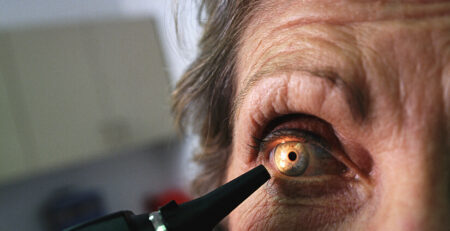
A cataract occurs when the natural lens inside the eye becomes cloudy. This clouding blocks light from reaching the retina clearly, causing gradual vision changes. Unlike infections or temporary eye problems, cataracts develop slowly over months or years.
Common early symptoms include:
- Blurred or hazy vision
- Increased sensitivity to light
- Difficulty seeing at night
- Colours appearing dull or faded
- Frequent changes in spectacle power
At first, these symptoms may feel manageable, which is why many people consider delaying cataract eye surgery.
Is It Safe to Delay Cataract Surgery?
In the early stages, living with cataracts without surgery may be possible if vision still allows comfortable daily functioning. Doctors often monitor mild cataracts through regular check-ups rather than recommending immediate surgery.
Temporary management may include:
- Updated glasses prescription
- Improved lighting while reading
- Anti-glare lenses
- Limiting night driving
However, cataracts continue to progress. Delaying surgery does not stop the condition; it only postpones treatment.
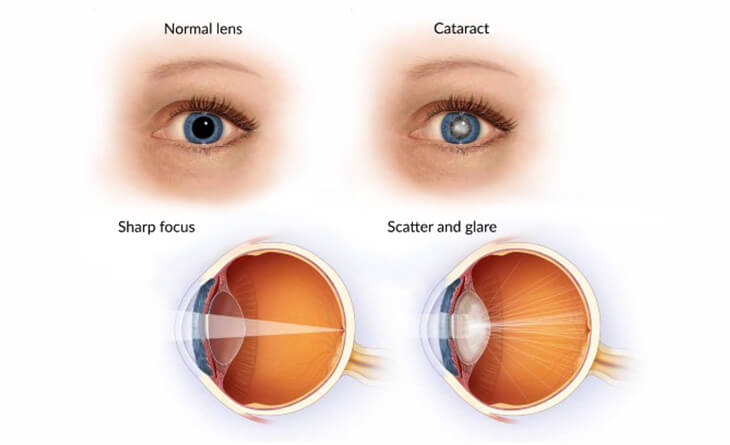
When Living With Cataracts Becomes Difficult
As cataracts advance, vision quality gradually declines. Everyday activities begin to feel challenging, even if the change happens slowly.
Signs that cataract surgery in Delhi may be needed include:
- Difficulty recognising faces
- Trouble driving, especially at night
- Frequent falls or balance issues
- Reading becoming increasingly difficult
- Reduced independence in daily activities
When vision starts affecting safety or quality of life, surgery becomes the most effective solution.
Risks of Waiting Too Long
Many patients delay surgery out of fear, but waiting excessively can make treatment more complicated. Advanced cataracts become denser and harder, sometimes increasing surgical difficulty.
Potential risks of prolonged delay include:
- Increased surgical complexity
- Higher risk of inflammation
- Greater visual impairment before treatment
- Reduced quality of life
Modern cataract eye surgery is safest when performed at the right time rather than very late stages.
Why Cataract Surgery Is Often Recommended?
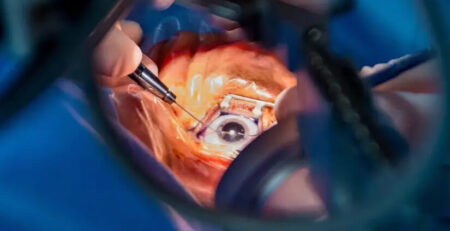
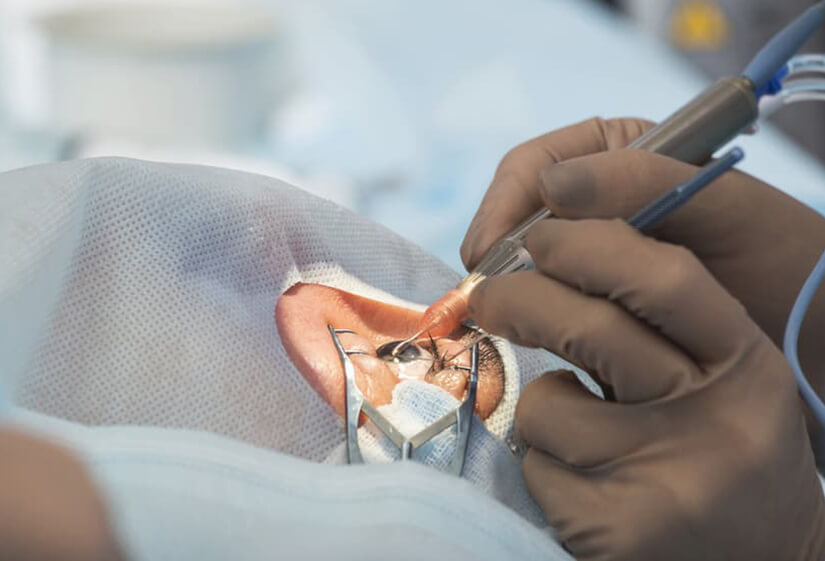
Unlike glasses or medications, surgery is the only permanent treatment for cataracts. During cataract surgery in Delhi, the cloudy lens is removed and replaced with a clear artificial lens, restoring light transmission and improving vision.
Today’s cataract surgery:
- Is quick and minimally invasive
- Usually takes 15–20 minutes
- Requires no stitches in most cases
- Allows rapid recovery
Most patients notice significant improvement in clarity and brightness after healing.
Can Lifestyle Adjustments Replace Surgery?
Healthy habits support eye comfort but cannot reverse cataracts. Diet, eye exercises, or supplements may help general eye health, but they do not remove lens clouding.
Lifestyle adjustments can help temporarily, but they are not substitutes for cataract eye surgery once vision becomes significantly affected.
Choosing the Right Time for Surgery
The decision for surgery is not based only on eye examination findings. It also depends on how much vision problems interfere with daily life. Some patients choose surgery earlier for lifestyle convenience, while others wait until symptoms become limiting.
A detailed consultation at a trusted eye hospital in Delhi helps determine the safest and most appropriate timing.
Clear Vision Should Not Be Delayed Unnecessarily
Living with cataracts may feel manageable at first, but gradual vision loss often affects safety and independence more than people realise. If blurred vision, glare, or difficulty with daily activities is becoming common, it may be time to explore treatment options. Dr Anisha Gupta, an experienced eye doctor at a leading eye hospital in Delhi, provides personalised guidance on when cataract surgery in Delhi is truly needed. Schedule an eye evaluation to understand your vision clearly and make a confident decision.
FAQs: Living With Cataracts Without Surgery
No. Cataracts do not reverse naturally. Vision may temporarily improve with glasses, but only cataract eye surgery can permanently restore clarity.
You can live with early cataracts if vision remains functional. Regular monitoring is important to decide when cataract surgery in Delhi becomes necessary.
It is usually elective, not emergency surgery. However, delaying too long may make the procedure more complex.
Untreated cataracts mainly cause progressive vision loss. In advanced stages, they may lead to complications affecting eye pressure.
No. Cataract eye surgery is performed under local anaesthesia and is generally painless.
Many patients notice improvement within days, with full stabilisation over a few weeks.
When vision interferes with reading, driving, or daily comfort, consultation at an eye hospital in Delhi helps determine the right timing.