Can Eyesight Go Bad After LASIK Surgery?
LASIK surgery has helped millions of people reduce or eliminate their dependence on glasses and contact lenses. Still, one question continues to worry many patients: can eyesight go bad again after LASIK surgery?
The concern is valid because vision naturally changes over time, and some people experience temporary issues after the procedure. The important thing to understand is this: LASIK surgery permanently reshapes the cornea, but the eye itself continues to age and respond to lifestyle and health factors. Knowing the difference between short-term effects and long-term changes helps set realistic expectations.
How LASIK Surgery Works
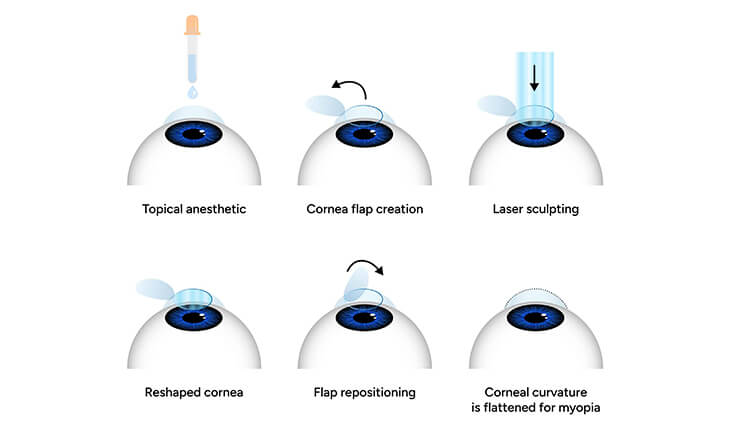
LASIK surgery improves vision by reshaping the cornea so light focuses correctly on the retina. Once this structural correction is made, it does not reverse or “wear off.”
This is why LASIK surgery is considered a long-term solution for refractive errors such as:
- Near-sightedness
- Far-sightedness
- Astigmatism
Most patients achieve stable vision for many years after surgery. However, recovery and long-term eye health still require proper care and monitoring.
Immediate Vision Changes After LASIK Surgery
Right after LASIK surgery, some temporary symptoms are normal and part of the healing process. These do not mean eyesight is worsening, but rather that the eyes are adjusting.
Common early effects include:
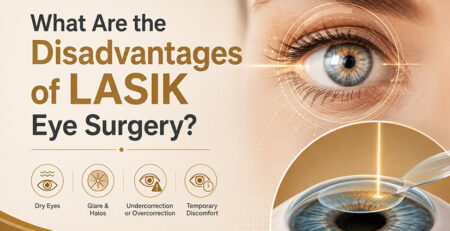
- Dry eyes: The most frequent temporary issue, causing fluctuating clarity or irritation
- Glare or halos around lights: Especially noticeable at night during early recovery
- Light sensitivity: Usually improves within weeks
- Mild blurred or fluctuating vision: Vision stabilises gradually as healing progresses
These symptoms typically improve within weeks to a few months. Following post-operative instructions and attending follow-ups helps ensure smooth recovery and reduces the need for additional eye treatment in Delhi.
Long-Term Issues After LASIK Surgery
While LASIK surgery provides long-lasting vision correction for most patients, the eyes continue to change naturally over time. Some people may notice visual changes years after the procedure, but these are usually related to ageing or eye health rather than the surgery itself.
Possible long-term issues after LASIK surgery include:
- Presbyopia (age-related near vision difficulty):
After the age of 40, the eye gradually loses its ability to focus on nearby objects. This affects everyone, including those who have never undergone LASIK surgery. - Chronic dry eye symptoms:
A small number of patients may experience ongoing dryness, especially with prolonged screen use or environmental factors. This is usually manageable with lubrication and appropriate eye care. - Regression of refractive error:
In some individuals, minor vision changes may occur over several years, particularly if eye power was still changing before surgery. - Night vision disturbances:
Rarely, some patients may continue noticing glare or halos in low-light conditions, though modern LASIK techniques have significantly reduced this risk. - Age-related eye conditions:
Cataracts or other eye diseases can still develop later in life because LASIK surgery does not prevent natural ageing of the eye.
Regular follow-up visits and timely eye treatment in Delhi help monitor these changes early and maintain comfortable, stable vision over the long term.
Can LASIK Have Complications?
Serious complications from LASIK surgery are uncommon, but like any medical procedure, a very small percentage of risks do exist. Awareness helps patients recognise when medical advice is needed.
Possible complications include:
- Persistent dry eye symptoms
- Under-correction or over-correction of vision
- Night vision disturbances in rare cases
- Inflammation or delayed healing
Most complications are manageable when identified early. Regular follow-ups with an eye specialist remain an essential part of safe LASIK surgery outcomes.
Can Vision Be Corrected Again After LASIK?
In selected cases, vision can be refined through an enhancement procedure. This decision depends on corneal thickness, eye health, and stability of vision.
Enhancement may be considered if:
- A small residual power remains
- Vision changes interfere with daily activities
- Eye evaluation confirms safety
An experienced eye doctor determines whether enhancement or simple corrective measures are the better option.
Importance of Long-Term Eye Care After LASIK
A common misconception is that eye care ends after LASIK surgery. In reality, routine monitoring becomes even more important.
Healthy post-LASIK habits include:
- Using lubricating drops if dryness occurs
- Taking screen breaks to reduce strain
- Wearing UV protection outdoors
- Scheduling regular eye examinations
These steps help maintain stable vision and allow early detection of issues requiring eye treatment in Delhi.
When Should You See an Eye Doctor After LASIK?
Occasional fluctuations are normal, but certain symptoms should be evaluated promptly:
- Persistent blurry vision
- Increasing dryness or discomfort
- Sudden visual changes
- Difficulty with night driving
Timely consultation ensures reassurance and early management. Most concerns after LASIK surgery are treatable and do not indicate permanent problems.
Your Eyes Still Need Care After LASIK
LASIK surgery offers freedom from glasses, but it does not stop natural ageing or eliminate the need for eye care. If you notice changes in vision or ongoing discomfort after LASIK surgery, professional evaluation can provide clarity and peace of mind. Dr Anisha Gupta, a trusted eye doctor in Delhi, offers detailed post-LASIK assessments and personalised eye treatment in Delhi to maintain long-term visual comfort. Book a consultation to keep your vision healthy and stable for years ahead.