
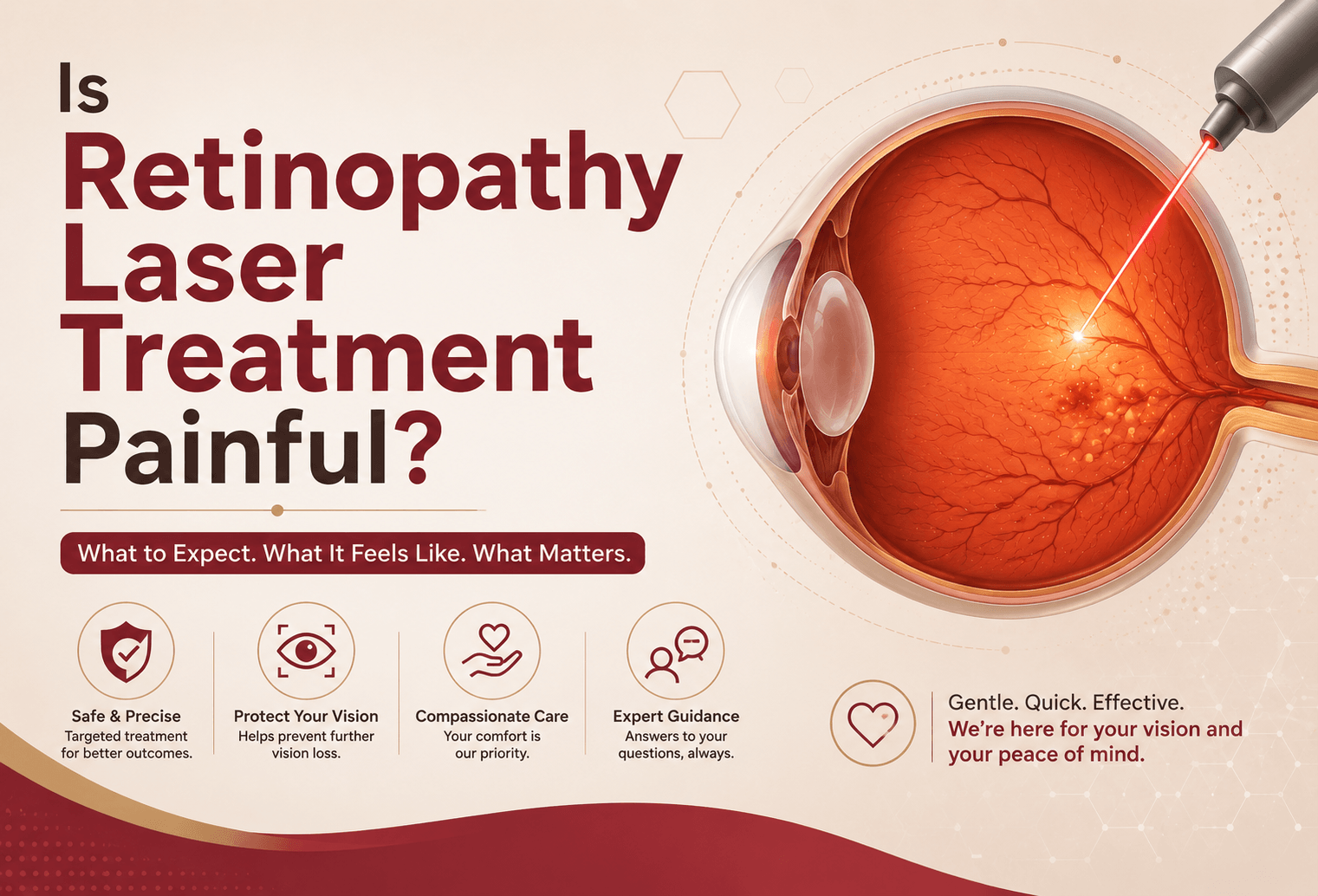
Is Retinopathy Laser Treatment Painful?
Many people diagnosed with retinal disease feel anxious when they hear the word “laser.” One of the first questions patients ask is simple and honest: Is retinopathy laser treatment painful?
The concern is understandable. Anything involving the eye can sound intimidating. The reality, however, is far less dramatic than most people imagine. Modern retinopathy laser treatment in Delhi is a carefully controlled medical procedure designed to protect vision and prevent serious complications. While some patients may experience mild discomfort, it is usually brief and manageable.
Understanding what actually happens during the procedure helps remove much of the fear surrounding retinopathy treatment in Delhi.
Why Laser Treatment Is Used for Retinopathy?
Retinopathy occurs when the tiny blood vessels in the retina become damaged. This damage may lead to leakage, swelling, or abnormal blood vessel growth that can threaten vision if left untreated.
Laser therapy is used to stabilise these changes and protect the retina. The goal of retinopathy laser treatment in Delhi is not to improve vision instantly but to stop further damage and preserve the sight you currently have.
Laser treatment helps by:
- Sealing leaking blood vessels
- Reducing abnormal vessel growth
- Stabilising retinal damage
- Lowering the risk of severe vision loss
When performed at the right stage, laser therapy is one of the most effective forms of retinopathy treatment in Delhi.
What Happens During Retinopathy Laser Treatment?
One reason people worry about pain is that they are unsure what the procedure involves. In reality, the process is quite structured and usually completed in an outpatient setting.
Before the procedure begins, the eye is numbed using special anaesthetic drops. This ensures the surface of the eye remains comfortable during treatment.
The steps usually include:
- Dilating the pupil so the retina can be clearly seen
- Applying anaesthetic eye drops to numb the eye
- Using a specialised laser device to treat the damaged retinal areas
The entire procedure typically takes 10 to 20 minutes, depending on the extent of the retinal condition.
Because the eye is numbed, most patients do not feel sharp pain. Instead, they may notice flashes of light during the laser application.
What Patients Actually Feel During the Procedure?
The experience varies slightly from person to person, but most patients describe the sensation as mild rather than painful.
Some common sensations include:
- Brief flashes of bright light
- A mild pricking or warm feeling during certain laser spots
- Slight pressure around the eye
For many people, the anxiety before the procedure is actually greater than the discomfort during the treatment. An experienced eye doctor in Delhi will also guide the patient throughout the process, making the experience more comfortable.
Is Laser Treatment Safer Than Waiting?
When patients hesitate because they fear pain, it is important to understand the bigger picture. Untreated retinopathy can lead to serious complications such as retinal bleeding, scarring, and vision loss.
Laser therapy aims to prevent these outcomes.
The benefits of timely retinopathy laser treatment in Delhi include:
- Preventing disease progression
- Protecting existing vision
- Reducing the risk of advanced retinal damage
Delaying treatment can sometimes lead to more complex procedures later.
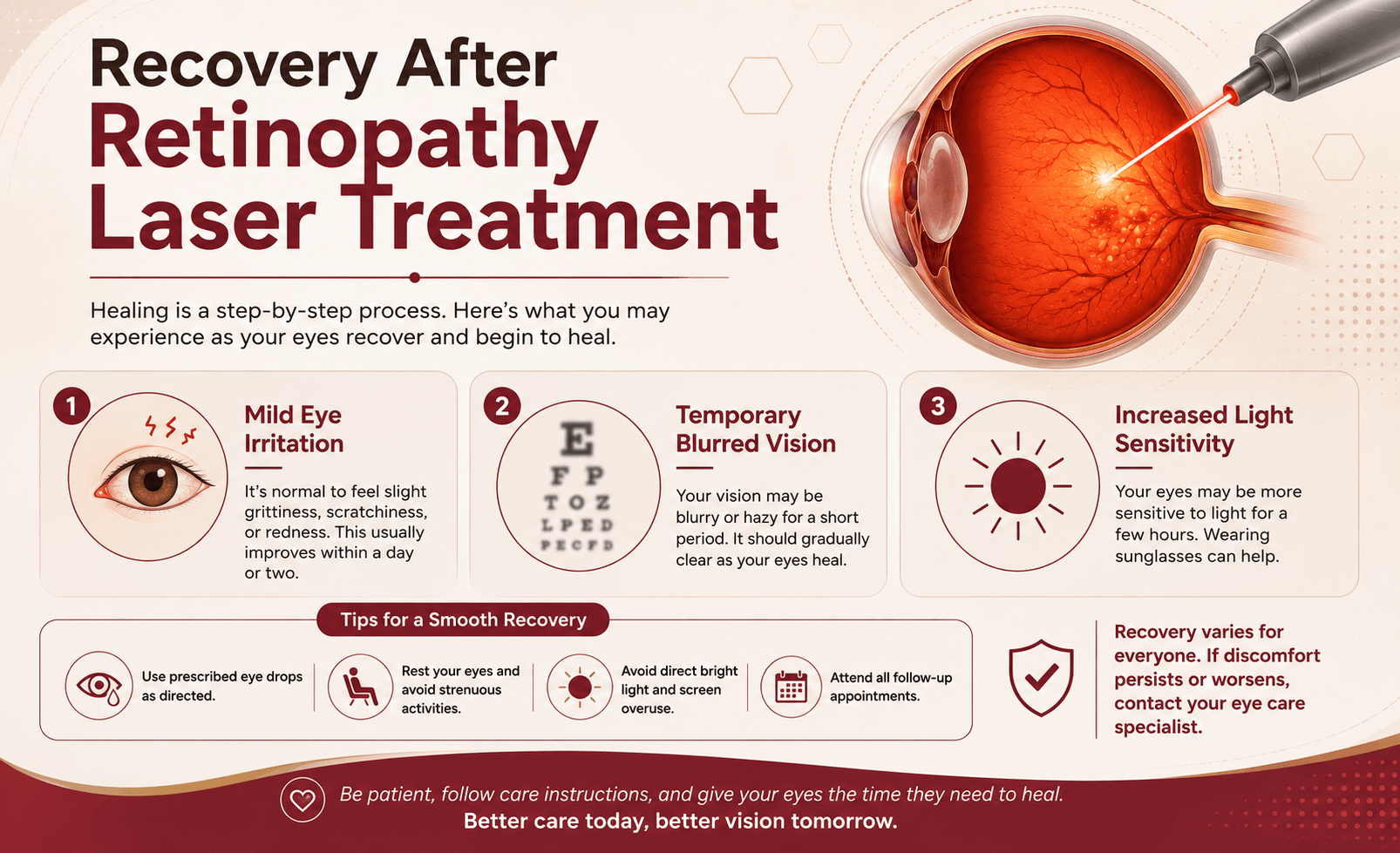
Recovery After Retinopathy Laser Treatment
Recovery after laser treatment is generally straightforward. Most patients return home the same day and resume routine activities within a short period.
After the procedure, patients may notice:
- Mild eye irritation
- Temporary blurred vision
- Increased light sensitivity for a few hours
These effects usually improve quickly. Following the doctor’s instructions helps ensure the retina heals properly.
Your eye doctor in Delhi may also schedule follow-up visits to monitor how the retina responds to treatment.
When Laser Treatment Is Only One Part of Care?
Laser therapy is often combined with other modern approaches depending on the stage of retinopathy. In some cases, injections or additional monitoring may be recommended as part of a broader retinopathy treatment in Delhi plan.
Every retina behaves differently, which is why personalised evaluation remains essential before deciding on the best treatment strategy.
Protecting Vision Through Timely Treatment
Retinal diseases often progress quietly, which makes early diagnosis and treatment extremely important. Laser therapy may sound intimidating, but it is a well-established and effective method of protecting vision when used at the right time.
If you have been advised to undergo retinopathy laser treatment in Delhi, discussing your concerns with a specialist can help you feel more prepared and confident about the procedure.
Dr Anisha Gupta, an experienced eye doctor in Delhi, provides detailed retinal evaluation and advanced retinopathy treatment in Delhi at a trusted eye hospital in Delhi. If you are experiencing symptoms or have been diagnosed with retinopathy, scheduling a timely consultation can help protect your vision before complications develop.
FAQs About Retinopathy Laser Treatment
Most patients experience only mild discomfort rather than pain. The eye is numbed using anaesthetic drops before the procedure begins.
The procedure typically takes around 10 to 20 minutes, depending on the area of the retina that needs treatment.
Laser treatment mainly prevents further damage. Vision may stabilise rather than improve dramatically.
Yes. When performed by an experienced eye doctor in Delhi, the procedure is considered safe and widely used to control retinal disease.
Retinopathy is related to underlying health conditions like diabetes. Ongoing monitoring is necessary even after treatment.
Some patients need a single session, while others may require multiple treatments depending on the severity of the retinal condition.
If you notice blurred vision, floaters, or sudden visual changes, consult an eye doctor in Delhi immediately for proper retinal evaluation.
