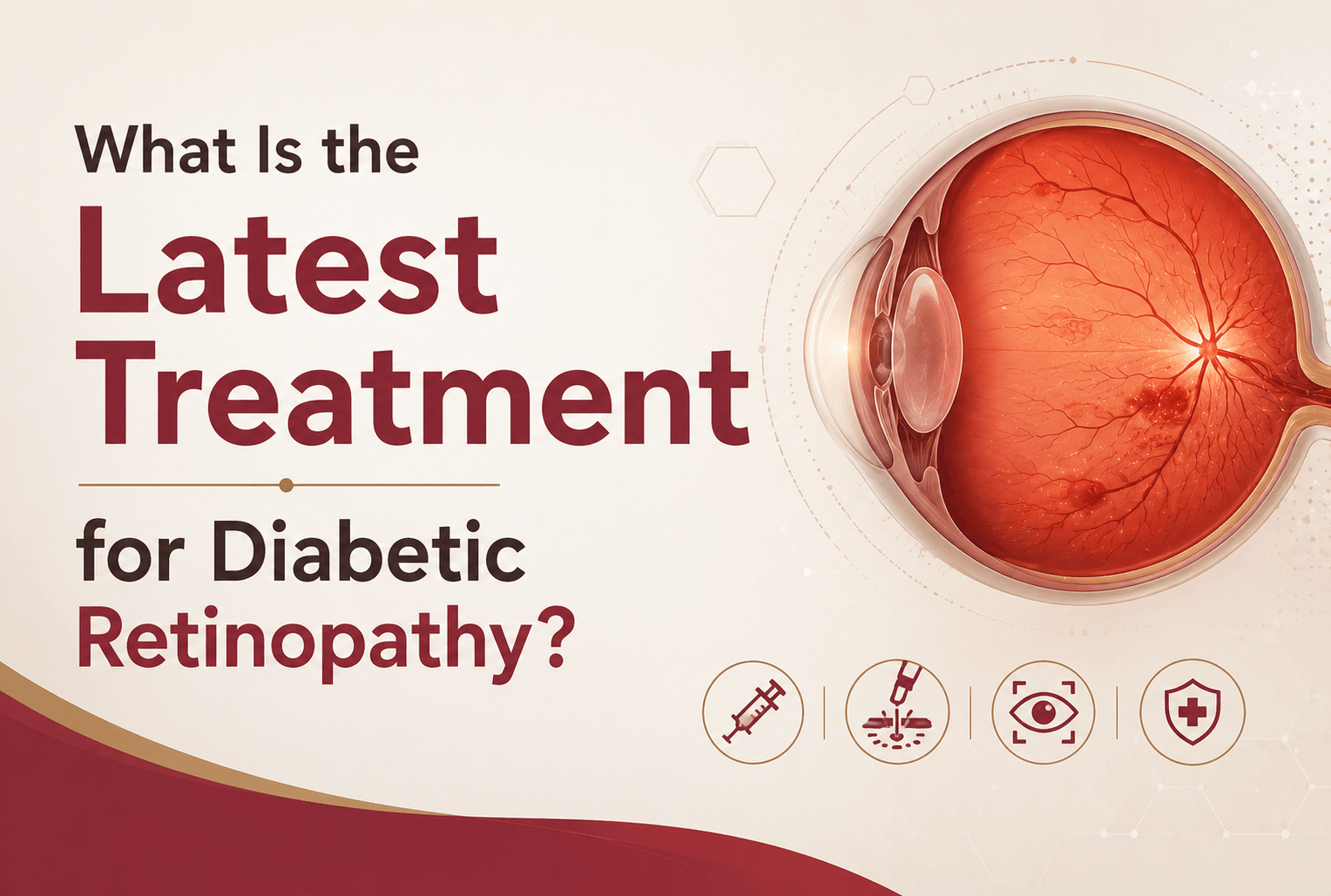
What Is the Latest Treatment for Diabetic Retinopathy?
Diabetes affects many parts of the body, but one of its most serious complications involves the eyes. Diabetic retinopathy develops when high blood sugar damages the tiny blood vessels of the retina, the light-sensitive tissue responsible for vision. Because early stages often cause no noticeable symptoms, many patients are diagnosed only after vision problems begin.
This leads to an important question patients frequently ask: what is the latest diabetic retinopathy treatment, and can modern medicine prevent vision loss? The encouraging news is that treatment options have advanced significantly in recent years, allowing doctors to manage the condition more effectively than ever before.
What is Diabetic Retinopathy?
Diabetic retinopathy occurs when prolonged high blood sugar weakens retinal blood vessels. These vessels may leak fluid, swell, or close off completely. In advanced stages, abnormal new blood vessels grow inside the eye, increasing the risk of bleeding and retinal damage.
Early symptoms may include:
- Blurred or fluctuating vision
- Dark spots or floaters
- Difficulty reading
- Poor night vision
Because symptoms appear late, regular eye screening is essential for timely diabetic retinopathy treatment.
Why Early Treatment Makes a Difference?
The retina is extremely delicate, and damage can become permanent if treatment is delayed. Modern care focuses on detecting disease early and preventing progression rather than waiting for severe vision loss.
Early diabetic retinopathy treatment helps:
- Stabilise retinal blood vessels
- Reduce swelling in the retina
- Prevent abnormal vessel growth
- Preserve long-term vision
Regular evaluation at a trusted eye hospital in Delhi allows doctors to begin treatment at the most effective stage.
Anti-VEGF Injections: A Major Advancement
One of the most important breakthroughs in diabetic retinopathy treatment is the use of anti-VEGF injections. These medications block signals that cause abnormal blood vessel growth and leakage.
Anti-VEGF therapy:
- Reduces retinal swelling
- Improves or stabilises vision
- Slows disease progression and prevent bleeding
- Is performed as a quick outpatient procedure
Many patients today avoid major surgery because these injections effectively control disease when started early.
Modern Laser Therapy
Laser treatment remains an important option, especially in moderate to advanced stages. Modern laser techniques are far more precise than older methods, targeting only affected areas while preserving healthy retinal tissue.
Laser therapy helps:
- Seal leaking blood vessels
- Prevent further damage
- Reduce risk of severe vision loss
It is often combined with injections as part of a comprehensive diabetic retinopathy treatment plan.
Latest Advances in Diabetic Retinopathy Surgery
When complications such as internal bleeding or retinal traction occur, diabetic retinopathy surgery may become necessary. Advances in surgical technology have made these procedures safer and more effective.
Modern surgical techniques include:
- Micro-incision vitrectomy systems
- High-resolution retinal visualisation
- Faster recovery protocols
During diabetic retinopathy surgery, cloudy or blood-filled vitreous gel is removed along with any fibrous tissue, allowing the surgeon to repair retinal damage directly.
Personalised Treatment Approach
There is no single best treatment for every patient. The latest approach focuses on personalised care based on disease stage, retinal condition, and overall diabetes control.
A treatment plan may include:
- Blood sugar management guidance
- Regular monitoring
- Anti-VEGF injections
- Laser therapy
- Diabetic retinopathy surgery when required
An experienced specialist at an eye hospital in Delhi determines the right combination for each patient.
The Role of Diabetes Control in Treatment Success
Even the latest medical technology cannot replace good diabetes management. Blood sugar control remains the foundation of successful diabetic retinopathy treatment.
Patients who maintain stable glucose levels often experience:
- Slower disease progression
- Better response to treatment
- Improved visual outcomes
Eye care and diabetes care must work together for long-term success.
Early Treatment Protects Vision
Diabetic retinopathy often progresses silently, but timely care can prevent serious vision loss. If you have diabetes, regular eye screening is not optional, it is essential. Dr Anisha Gupta, an experienced eye specialist, provides advanced diabetic retinopathy treatment and modern diabetic retinopathy surgery at a trusted eye hospital in Delhi. Schedule a retinal evaluation today to detect changes early and protect your vision for the future.
FAQs: Latest Treatments for Diabetic Retinopathy
Anti-VEGF injections are among the latest advancements. They help control abnormal blood vessel growth and reduce retinal swelling effectively when started early.
No. Many patients respond well to injections or laser therapy. Diabetic retinopathy surgery is usually needed only in advanced stages.
Vision may improve or stabilise depending on how early diabetic retinopathy treatment begins and the extent of retinal damage.
The eye is numbed before treatment, so discomfort is minimal. Most patients tolerate injections very well.
Frequency varies. Some patients need monthly injections initially, while others require periodic monitoring after improvement.
It cannot be completely cured, but proper treatment and diabetes control can successfully manage the condition long term.
Most diabetics should undergo retinal examination at least once a year, or more frequently if advised by an eye doctor.