What Is the Best Treatment for Diabetic Retinopathy?
Diabetic retinopathy is one of the leading causes of vision loss among people living with diabetes. What makes this condition particularly concerning is that it often develops silently. Many patients notice vision problems only when retinal damage has already progressed. This naturally raises an important question: what is the best diabetic retinopathy treatment, and when should it begin?
The answer depends on how early the condition is detected and how effectively treatment is started. Modern ophthalmology has significantly advanced, and today several treatment options can slow disease progression, preserve vision, and in some cases even improve visual clarity when managed at the right time.
How Does Diabetic Retinopathy Develop?
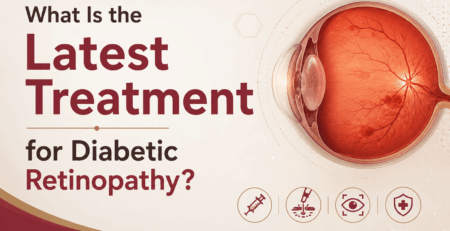
Diabetic retinopathy occurs when prolonged high blood sugar damages the tiny blood vessels supplying the retina. These vessels may weaken, leak fluid, or become blocked. As the condition advances, abnormal new blood vessels may grow on the retinal surface. These fragile vessels can bleed and lead to serious complications affecting vision.
In early stages, patients may not notice symptoms. As damage progresses, warning signs may include:
- Blurred or fluctuating vision
- Dark spots or floaters
- Difficulty reading or focusing
- Poor night vision
- Sudden vision changes in advanced cases
Because symptoms appear late, early screening plays a crucial role in successful diabetic retinopathy treatment.
Why Early Treatment Matters?
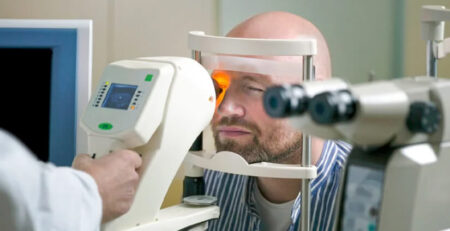
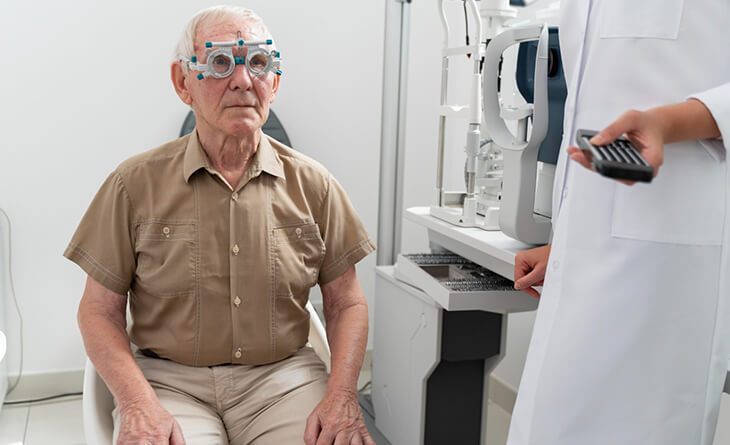
The retina is delicate and cannot easily recover once severely damaged. Treatment works best when started before complications develop. Regular eye examinations allow doctors to detect retinal changes even before vision is affected.
Early diabetic retinopathy treatment can:
- Slow or stop disease progression
- Reduce retinal swelling
- Prevent abnormal blood vessel growth
- Lower the risk of permanent vision loss
Delaying evaluation often leads to more complex treatment later.
Intravitreal Injections: The Mainstay Treatment Today
The most important advancement in modern diabetic retinopathy treatment is intravitreal injection therapy, which is now considered the primary treatment in many patients.
Intravitreal injections involve delivering medication directly into the eye using a very fine needle under sterile conditions. These medicines, commonly anti-VEGF agents, block signals responsible for leakage and abnormal blood vessel formation.
Intravitreal injections help:
- Reduce macular swelling (diabetic macular edema)
- Stop leakage from damaged vessels
- Prevent growth of abnormal blood vessels
- Stabilise or improve vision in many cases
The procedure is quick, usually painless due to local anaesthesia, and performed as an outpatient treatment. Patients may initially require multiple injections, followed by monitoring-based treatment depending on response.
Today, intravitreal injections form the foundation of diabetic retinopathy treatment and often prevent progression to advanced disease or the need for surgery when started early.
Role of Laser Treatment in Diabetic Retinopathy
While injections are often the first-line approach, laser therapy continues to play an important supportive role in managing diabetic retinopathy.
Laser treatment works by sealing leaking blood vessels and reducing oxygen demand in damaged retinal areas. Modern laser techniques are highly precise and preserve surrounding healthy tissue.
Laser therapy:
- Reduces risk of severe vision loss
- Controls abnormal vessel growth
- Supports long-term retinal stability
- Is performed as an outpatient procedure
In many patients, laser treatment is combined with injections as part of a comprehensive diabetic retinopathy treatment plan.
When Is Diabetic Retinopathy Surgery Needed?
Diabetic retinopathy surgery is typically reserved for advanced stages when complications threaten vision despite medical treatment.
Surgery may be required when:
- Persistent bleeding fills the eye
- Scar tissue pulls on the retina
- Retinal detachment develops
- Vision does not improve with injections or laser therapy
The most common procedure is vitrectomy, where the surgeon removes blood-filled vitreous gel and scar tissue to restore retinal structure. Advances in surgical technology have made diabetic retinopathy surgery safer, more precise, and associated with faster recovery than before.
Is Surgery the Best Treatment for Everyone?
Surgery is not the first step for most patients. The best diabetic retinopathy treatment is always personalised based on disease stage and retinal condition.
Most patients benefit from a combined approach involving:
- Diabetes and blood pressure control
- Intravitreal injections
- Laser therapy when required
- Surgery only in advanced complications
An experienced specialist at a trusted eye hospital in Delhi evaluates each patient carefully to choose the safest and most effective treatment pathway.
Living Safely With Diabetic Retinopathy
Diabetic retinopathy is a chronic condition linked to diabetes management. Even after treatment, ongoing care remains essential to maintain vision.
Long-term management includes:
- Regular retinal examinations
- Maintaining stable blood sugar levels
- Monitoring blood pressure and cholesterol
- Reporting vision changes early
With consistent monitoring and timely treatment, many patients maintain functional vision for years.
Protect Your Vision Before Symptoms Appear
Diabetic retinopathy often progresses without warning, but early care can make a significant difference. The right diabetic retinopathy treatment, started at the correct stage, can preserve both eyesight and independence. Dr Anisha Gupta, an experienced eye specialist in Delhi, provides advanced retinal care including intravitreal injections and diabetic retinopathy surgery at a trusted eye hospital in Delhi. Schedule a comprehensive eye evaluation today to detect retinal changes early and protect your vision for the future.