Can Diabetic Retinopathy Be Corrected with Surgery?
Diabetes affects many parts of the body, and the eyes are among the most vulnerable. One of the most serious eye conditions linked to diabetes is diabetic retinopathy. Patients often ask whether vision loss from this condition can be reversed and, more importantly, whether diabetic retinopathy treatment includes surgery. The answer depends on how early the condition is detected and how advanced it has become.
Understanding the role of surgery in diabetic retinopathy helps patients take timely action and avoid permanent vision damage.
What Is Diabetic Retinopathy?
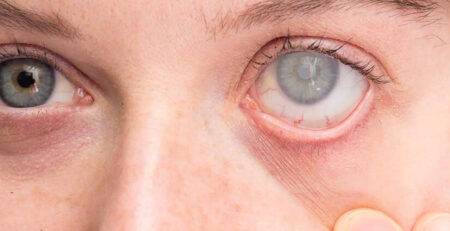
Diabetic retinopathy is an eye condition caused by long-term high blood sugar levels that damage the tiny blood vessels in the retina. The retina is the light-sensitive layer at the back of the eye that sends visual signals to the brain. When its blood supply is affected, vision starts to suffer.
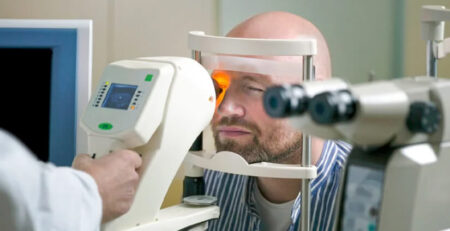
In early stages, patients may not notice any symptoms. As the condition progresses, it can lead to blurred vision, dark spots, difficulty reading, or even sudden vision loss. This is why regular eye check-ups are a key part of diabetic retinopathy treatment.
Stages of Diabetic Retinopathy and Why They Matter
Diabetic retinopathy develops gradually, and treatment decisions depend heavily on the stage of the disease.
- Early (Non-Proliferative Diabetic Retinopathy):
Small blood vessels leak fluid or blood. Vision may still be normal or only mildly affected. - Advanced (Proliferative Diabetic Retinopathy):
New, abnormal blood vessels grow on the retina. These vessels are fragile and can bleed, leading to serious vision loss.
Surgery is usually considered in advanced stages, while early stages are often managed without surgical intervention.
When Is Surgery Needed for Diabetic Retinopathy?
Not every patient with diabetic retinopathy needs surgery. Diabetic retinopathy surgery is recommended when complications threaten permanent vision loss.
Surgery may be advised if:
- There is persistent bleeding inside the eye (vitreous haemorrhage)
- Scar tissue is pulling on the retina threatening retinal detachment to central retina
- Retinal detachment develops
- Vision does not improve with non-surgical treatments
An experienced eye doctor evaluates the retina carefully before recommending surgery.
Types of Surgical Treatment for Diabetic Retinopathy
Vitrectomy Surgery
Vitrectomy is the most common diabetic retinopathy surgery. It involves removing the blood-filled or cloudy gel (vitreous) inside the eye and replacing it with a clear solution. This allows light to reach the retina properly and helps the surgeon treat damaged areas.
Vitrectomy can:
- Clear vision blocked by bleeding
- Remove scar tissue
- Repair retinal detachment
- Prevent further damage
Laser Treatment (Photocoagulation)
While not always considered “surgery” in the traditional sense, laser treatment plays a major role in diabetic retinopathy treatment. It helps seal leaking blood vessels and prevent abnormal vessel growth.
Laser treatment is often used:
- In early proliferative disease when media is clear and laser can reach the retina
- Alongside surgery in advanced cases
Can Surgery Restore Vision Completely?
This is one of the most common patient questions. Diabetic retinopathy surgery can significantly improve vision or prevent further vision loss, but it may not restore eyesight to normal levels in every case.
The outcome depends on:
- How early the surgery is done
- Extent of retinal damage
- Blood sugar control
- Overall eye health
Early diagnosis offers the best chance for visual improvement.
Importance of Early Diabetic Retinopathy Treatment
The biggest challenge with diabetic retinopathy is that it often progresses silently. Many patients seek help only after vision is affected. At that stage, treatment becomes more complex.
Regular eye examinations help:
- Detect changes early
- Avoid the need for surgery
- Preserve vision long-term
Good blood sugar, blood pressure, and cholesterol control are equally important parts of diabetic retinopathy treatment.
Recovery After Diabetic Retinopathy Surgery
Recovery after surgery varies depending on the severity of the condition and the procedure performed. Most patients notice gradual improvement over weeks to months.
Post-surgery care usually includes:
- Eye drops to prevent infection and inflammation
- Activity restrictions for a short period
- Regular follow-up visits
- Good diabetes control
Following medical advice carefully improves healing and outcomes.
If you or a loved one is living with diabetes and concerned about vision changes, timely evaluation is crucial. Dr Anisha Gupta, an experienced eye doctor in Delhi, offers comprehensive diabetic retinopathy treatment, including advanced surgical care when needed. Book a consultation to protect your vision, understand your treatment options, and take control of your eye health with confidence.
FAQs About Diabetic Retinopathy Surgery
Diabetic retinopathy cannot be completely cured, but timely diabetic retinopathy treatment can control the condition and prevent vision loss. Surgery treats complications, while long-term control depends on diabetes management.
Most diabetic retinopathy surgery procedures are done under local anaesthesia. Patients usually feel minimal discomfort during surgery and manageable irritation during recovery.
The success rate of diabetic retinopathy surgery is high in preventing further vision loss, especially when performed early. Vision improvement depends on how much retinal damage existed before surgery.
Initial recovery may take a few weeks, but visual improvement can continue for several months. Your eye doctor will guide you based on your specific condition.
Laser treatment is effective in early or moderate proliferative diabetic retinopathy. However, advanced cases with bleeding or retinal detachment usually require surgical intervention.
Vision can worsen if diabetes remains uncontrolled. Long-term diabetic retinopathy treatment includes regular eye exams and strict blood sugar control.
Yes, diabetic retinopathy surgery is commonly performed in elderly patients. Overall health and eye condition are evaluated before proceeding.
Most diabetics should have a comprehensive eye exam at least once a year, or more frequently if advised by an eye doctor in Delhi.