Strabismus – Types, Causes, Symptoms, Diagnosis, and Treatment
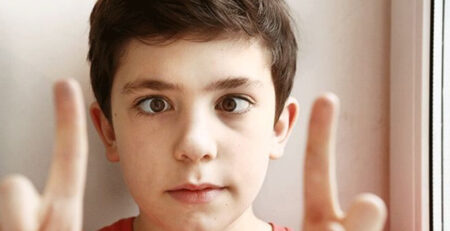
When your eyes don’t look in the same direction, the world looks different, too. Strabismus, commonly called crossed eyes or squint, is a condition where both eyes fail to align on the same object at the same time. One eye may turn inward, outward, upward, or downward while the other remains straight.
For some, this misalignment happens all the time. For others, it comes and goes, especially when tired or unwell. Either way, it affects how your brain interprets visual information, and if left untreated, can impact confidence, coordination, and even long-term vision.
The good news? With the right Strabismus treatment, most people can regain proper eye alignment and clear binocular vision.
What is Strabismus?
Your eyes are controlled by six small muscles in each eye, which work together like synchronised gears in a machine. When they move in perfect harmony, both eyes focus on the same point, and your brain merges their two images into one, giving you depth perception and 3D vision.
But when one or more muscles stop working in coordination, the eyes send two different images to the brain. In children, over time, the brain may begin to ignore images from the “weaker” eye to avoid double vision. This suppression can lead to lazy eye (amblyopia) if Strabismus treatment is delayed.
Hence, early detection, especially in children, is important. When treated on time, vision can be preserved and eye alignment fully corrected.
Types of Strabismus
Not all squints look the same. Here are the main types that eye doctors in Delhi commonly diagnose:
- Esotropia (Inward Turning): The eye turns toward the nose. It’s often seen in children and can be constant or appear when they focus on close objects.
- Exotropia (Outward Turning): One eye drifts outward. This may be constant or may occur on and off. It occurs usually when daydreaming or tired.
- Hypertropia (Upward Deviation): One eye sits higher than the other, causing diplopia or double vision.
- Hypotropia (Downward Deviation): The opposite, one eye turns downward, causing uneven vision.
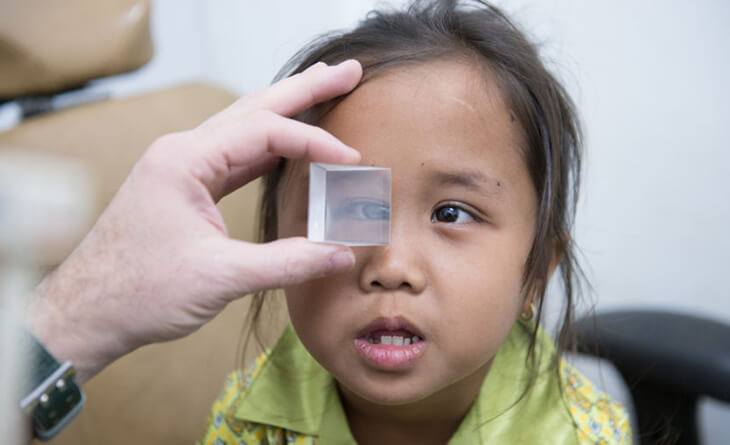
Each type requires a customised Strabismus treatment plan, which may include glasses, exercises, or Strabismus surgery to realign the muscles.
What Causes Strabismus?
There’s no single cause. Sometimes it’s genetic, running through generations of the same family. In other cases, it’s triggered by other conditions.
- Refractive errors: Uncorrected farsightedness forces the eyes to strain to focus, eventually causing one to turn inward.
- Neurological issues: Damage to the nerves controlling the eye muscles can lead to sudden-onset strabismus.
- Medical conditions: Thyroid eye disease, cerebral palsy, or diabetes-related nerve damage can alter eye movements.
- Childhood factors: Premature birth or developmental delays increase the risk.
Adults can develop strabismus later in life due to head injury, trauma, or even long-standing eye fatigue. Whatever the cause, early Strabismus treatment prevents complications like double vision and lazy eye.
Recognising the Symptoms Before Strabismus Surgery
The most visible sign is obvious misalignment, one eye turning in or out. But there are subtler signs too:
- Double or blurred vision
- Eye strain or headaches after reading
- Tilting or turning the head to focus better
- Poor depth perception
- Closing one eye in bright light
For children, parents often notice that the child squints in photos or that one eye “wanders” when they’re tired. Adults, meanwhile, may feel self-conscious, struggle with focus, or avoid eye contact, all of which can deeply affect quality of life.
That’s why Strabismus surgery isn’t just about appearance; it’s about restoring functional vision and confidence.
How an Eye Doctor in Delhi Diagnoses Strabismus
An experienced eye doctor in Delhi begins with a thorough visual assessment. The process may include:
- Vision testing: Measuring how clearly each eye sees.
- Refraction test: To identify any need for glasses or correction.
- Alignment test: Covering one eye at a time to observe how the other moves.
- Muscle movement test: Checking if all muscles move properly.
- Depth perception test: To see how well the eyes work together.
Sometimes, further imaging or neurological exams are done if a nerve issue is suspected. This step-by-step evaluation allows your doctor to tailor a precise Strabismus Treatment plan.
Treatment Options for Strabismus
There isn’t a one-size-fits-all fix. The right approach depends on the type and severity of the condition, as well as the patient’s age.
- Glasses or contact lenses: Correct refractive errors that strain the eyes.
- Prism lenses: These bend light to reduce double vision and strain.
- Eye exercises: Help strengthen eye muscles and coordination, especially for intermittent cases.
- Medications or eye drops: Sometimes used to relax certain muscles.
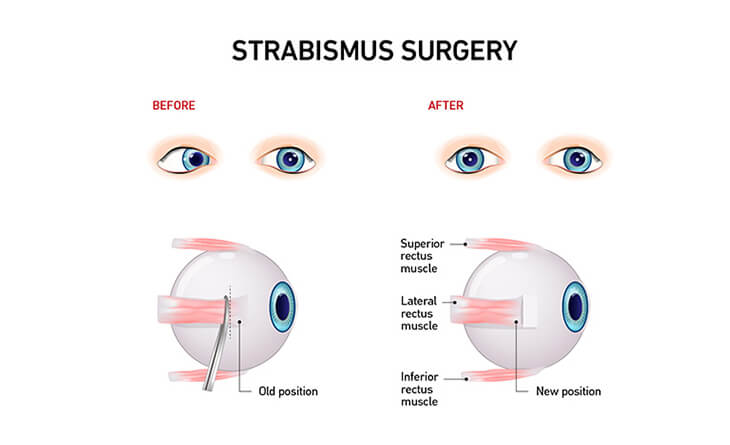
- Strabismus surgery: The most definitive option for realignment when other treatments don’t work.
Strabismus surgery is a delicate, precise procedure where the surgeon shortens, lengthens, or repositions muscles to restore proper alignment. It’s done under anaesthesia, takes under an hour, and recovery is quick, usually within a few days.
Life After Strabismus Surgery
Most people notice an immediate improvement in alignment. There might be mild redness or swelling for a week, but that fades quickly. Post-surgery exercises help the eyes adjust and maintain coordination.
Follow-up visits with your eye doctor in Delhi ensure healing is on track and vision remains stable. For children, continued monitoring prevents relapse as they grow.
Why Timely Treatment Matters?
Untreated strabismus isn’t just a cosmetic concern; it can permanently reduce vision in one eye, affect coordination, and even limit career options that require depth perception. With modern techniques and personalised care, Strabismus Treatment today offers both visual and emotional transformation.
It’s never too late to correct misalignment, whether you’re 6 or 60.
Bring Your Eyes Back in Focus with Dr Anisha Gupta
If you’ve noticed one eye drifting or find it difficult to focus clearly, it’s time to act. Dr Anisha Gupta, the best eye doctor in Delhi known for Strabismus treatment and Strabismus surgery, offers comprehensive eye care backed by precision and compassion.
Her clinic uses advanced diagnostic technology and personalised treatment plans to restore alignment, depth perception, and confidence.
Don’t let misalignment affect your vision or daily life. Book a consultation today and take the first step toward balanced, healthy eyes.
Frequently Asked Questions (FAQs) About Strabismus Treatment
In some cases, especially in children, mild recurrence can happen as the eyes grow or muscles change. Regular follow-ups help detect and correct it early.
No. The condition itself doesn’t cause pain, though patients might feel eye strain or headaches. Even Strabismus surgery involves minimal discomfort and quick recovery.
Absolutely. While many people associate it with children, adults can benefit greatly from Strabismus treatment, both functionally and cosmetically.
It depends. If you have refractive errors, your eye doctor in Delhi may recommend continued use of glasses to maintain focus and reduce strain.
Yes. Misaligned vision can interfere with depth perception and hand-eye coordination, which are vital for driving, sports, and even daily activities.
Most people return to normal routines within a few days. Full stabilisation of alignment usually happens within 4–6 weeks.
Untreated strabismus can lead to permanent vision loss in one eye (amblyopia), poor depth perception, and reduced quality of life. Early Strabismus treatment prevents these complications.