Is Cataract Surgery 100% Safe? Expert Explanation
Cataracts are one of the most common eye conditions, especially as people grow older. When vision becomes cloudy, dull, or blurry due to a cataract, surgery is often the only effective treatment. Naturally, patients and families ask an important question before proceeding: Is cataract surgery 100% safe?
The honest answer is that no medical procedure can be guaranteed as 100% risk-free. However, cataract surgery is considered one of the safest and most successful surgical procedures performed today. With modern techniques, advanced technology, and proper patient evaluation, the risk of serious complications is very low.
What is Cataract Surgery?
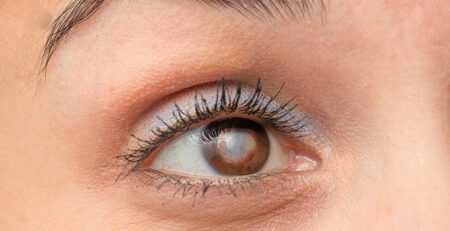
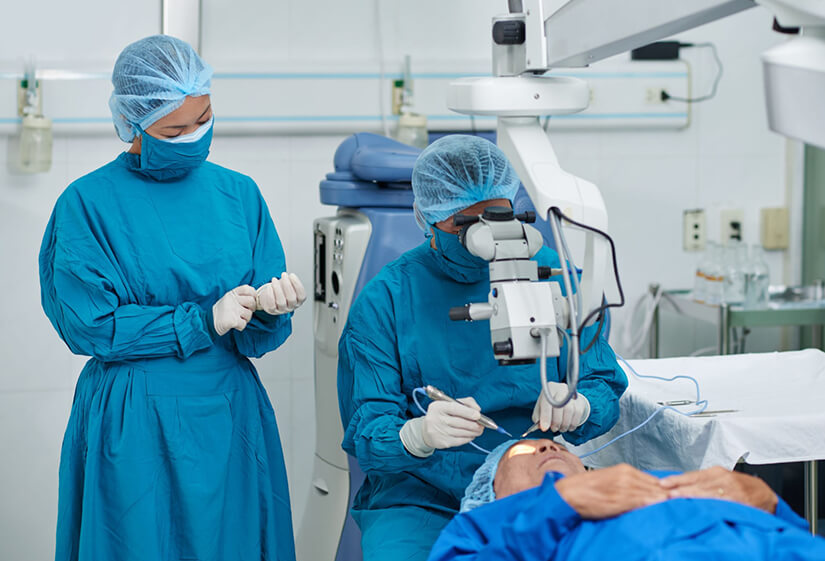
A cataract develops when the natural lens of the eye becomes cloudy, blocking light from reaching the retina clearly. Cataract surgery involves removing this cloudy lens and replacing it with a clear artificial lens called an intraocular lens (IOL).
The goal of the surgery is to restore clear vision, improve contrast, and reduce problems such as glare and difficulty seeing at night. For most patients, cataract surgery significantly improves quality of life.
What About Safety? Is Cataract Surgery Safe When Performed Today?
Modern cataract surgery has a very high safety and success rate. Advances in surgical techniques, microscopes, and lens technology have made the procedure quicker, more precise, and more predictable.
Today, cataract surgery is:
- Performed under local anaesthesia
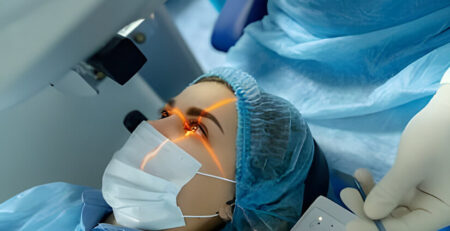
- Usually completed within 15–20 minutes
- Done as a day-care procedure
- Associated with rapid recovery
When performed by an experienced eye doctor in Delhi, serious complications are rare.
The Surgery Procedure – How Cataract is Performed
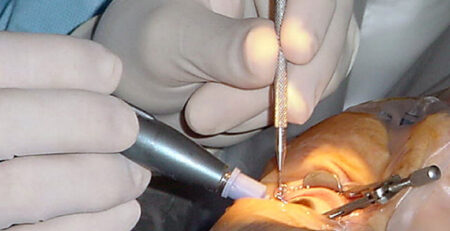
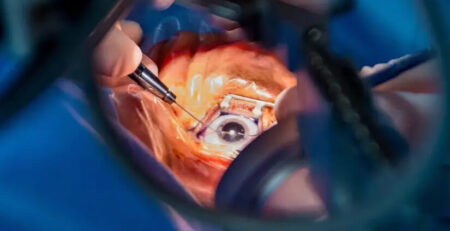
The most commonly used cataract surgery procedure today is phacoemulsification. In this technique, ultrasound energy is used to break the cloudy lens into small pieces, which are then gently removed. A clear artificial lens is placed in the same position.
The cataract surgery procedure involves:
- A very small incision
- No stitches in most cases
- Minimal discomfort
- Quick visual recovery
The small incision heals naturally, reducing the risk of infection and speeding up recovery.
What Makes Cataract Surgery Safe?
Several factors contribute to the safety of cataract surgery when performed correctly.
These include:
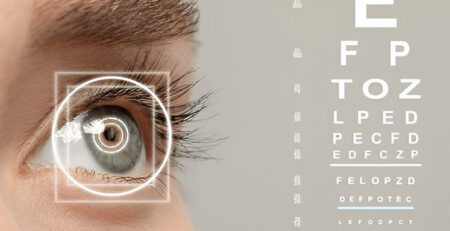
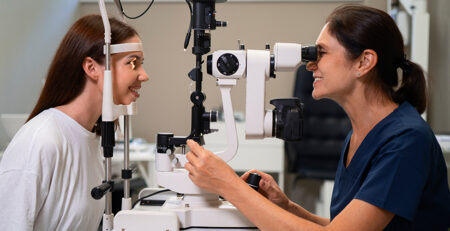
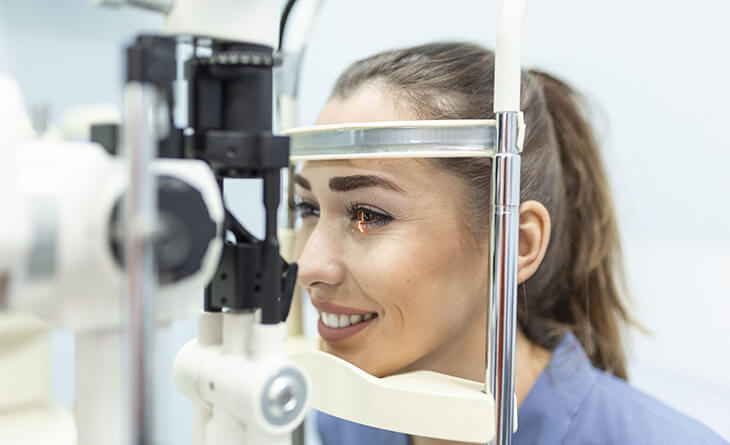
- Detailed pre-surgery eye evaluation
- Accurate measurement for lens selection
- Use of advanced surgical equipment
- Strict sterilisation and infection control
- Careful post-surgery follow-up
Choosing a qualified eye doctor in Delhi and a well-equipped eye facility plays a major role in ensuring safety.
Risks and Complications to Consider Before Making a Decision
Although cataract surgery is very safe, some risks do exist, as with any surgery. These complications are uncommon and are usually manageable when detected early.
Possible risks include:
- Infection
- Inflammation
- Increased eye pressure
- Swelling of the retina
- Displacement of the artificial lens
Regular follow-up visits after surgery help detect and treat such issues early.
Who May Have a Higher Risk During Cataract Surgery?
Certain patients may have a slightly higher risk of complications, but this does not mean surgery is unsafe for them.
Higher risk factors may include:
- Advanced diabetes
- Very dense or mature cataracts
- Previous eye surgeries
- Other eye conditions, such as glaucoma
An experienced eye doctor evaluates these factors carefully before recommending surgery.
How is the Recovery After Cataract Surgery
Recovery after cataract surgery is usually smooth and quick. Many patients notice clearer vision within a few days, while full visual stability may take a few weeks.
During recovery, patients are advised to:
- Use prescribed eye drops regularly
- Avoid rubbing the eyes
- Protect the eye from dust and water
- Attend scheduled follow-up visits
Following medical advice closely helps ensure the best outcome.
Is Cataract Surgery Worth the Risk?
For most patients, the benefits of cataract surgery far outweigh the risks. Untreated cataracts can lead to worsening vision, difficulty with daily activities, and increased risk of falls, especially in older adults.
Cataract surgery not only restores vision but also improves independence and overall quality of life. When performed by a skilled eye doctor in Delhi, it is considered a highly rewarding and safe procedure.
If you or a family member has been diagnosed with cataracts and is concerned about safety, timely consultation is important.
Dr Anisha Gupta, a trusted eye doctor in Delhi, offers advanced cataract surgery with a strong focus on safety, precision, and patient comfort. Book a consultation to understand the cataract surgery procedure, discuss your risks, and plan treatment with clarity and confidence.
FAQs About Cataract Surgery
Yes, cataract surgery is commonly performed in elderly patients and is considered safe. Age alone is not a risk factor. Overall health and eye condition matter more.
Blindness from cataract surgery is extremely rare. With modern techniques and proper care, the risk of severe vision loss is very low.
The cataract surgery procedure usually takes about 15–20 minutes. Patients typically go home the same day.
Cataract surgery is painless due to local anaesthesia. Mild irritation or discomfort after surgery is normal and usually temporary.
Many patients notice improved vision within a few days. Vision continues to stabilise over the next few weeks.
No, cataracts do not return once removed. However, some patients may develop cloudiness of the lens capsule, which is easily treated with a small laser procedure.
Yes, cataract surgery is safe for diabetic patients, though they require closer monitoring before and after surgery.