
Can Cataracts Be Treated Without Surgery?
As we age, our vision changes, but one of the most common and misunderstood conditions affecting older adults is cataract. Many people notice their eyesight becoming cloudy or dull and wonder if it can be fixed naturally or with medicines. The question comes up often: Can cataracts be treated without surgery?
The short answer is that while early symptoms can be managed temporarily, once a cataract forms, the only permanent solution is cataract eye surgery. Let’s understand why that is, how cataracts form, and what treatment options actually work.
What Are Cataracts?
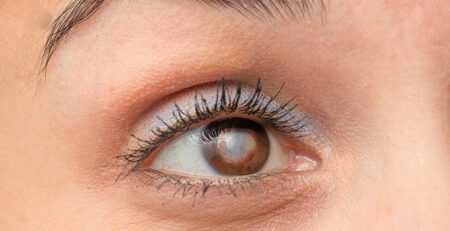
A cataract happens when the natural lens of your eye becomes cloudy. The lens sits behind your iris (the coloured part of the eye) and focuses light onto your retina. Over time, proteins in the lens break down and clump together, forming a cloudy layer that blocks light.
This process can begin slowly, often going unnoticed in the early stages. But as the cataract grows, it causes blurry vision, glare, and difficulty seeing at night. Cataract eye surgery is the most effective way to restore vision once this cloudiness interferes with daily life.
Common Causes of Cataracts
Cataracts can develop for several reasons, not just ageing. Some of the most common causes include:
- Age-related changes: Natural ageing causes gradual protein breakdown in the lens.
- Diabetes: High blood sugar accelerates lens clouding.
- Prolonged UV exposure: Sunlight can damage lens fibres over time.
- Smoking and alcohol use: Both can increase the risk of cataract formation.
- Eye injuries or surgeries: Trauma or long-term steroid use can also trigger cataracts.
Your eye doctor in Delhi may also note that genetics, poor diet, or lack of protective eyewear contribute to earlier onset.
Early Symptoms to Watch For
You might not notice early cataracts right away, but some early signs include:
- Blurry or foggy vision
- Colours looking faded or yellowed
- Glare or halos around lights
- Poor night vision
- Needing brighter light for reading
- Sudden improvement in near vision (near-sightedness)
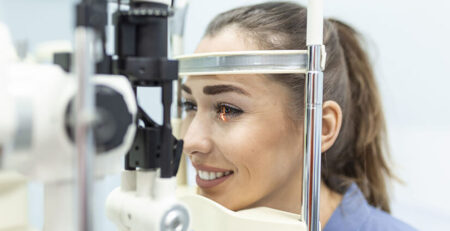
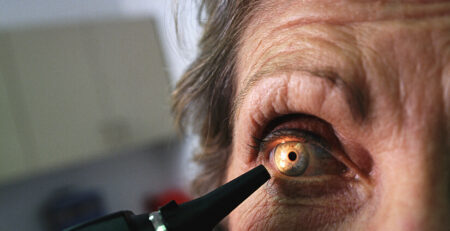
If these symptoms appear, it’s essential to get an eye exam. An experienced eye doctor in Delhi can detect cataracts during a routine checkup using a slit-lamp examination or retinal test.
Can Cataracts Be Reversed Naturally?
There’s a lot of misinformation online about “natural” cataract cures, eye drops, diet changes, and herbal remedies that claim to dissolve the clouding. Unfortunately, none of these works.
The lens clouding that causes cataracts is a structural change inside the eye, not something that can be washed away or reversed by medication. Certain nutrients like vitamins C and E, lutein, and zeaxanthin may help slow the progression of cataracts, but they cannot eliminate them.
So while healthy habits support overall eye health, they cannot replace cataract eye surgery once vision becomes significantly blurred.
Medical Treatments Before Surgery
In the early stages, when cataracts are mild, your eye doctor in Delhi may recommend:
- Stronger prescription glasses
- Anti-glare lenses for night driving
- Brighter lighting at home or work
- Strict control of blood sugar
- Regular eye checkups to track progression
These adjustments can temporarily improve your comfort, but they won’t stop cataracts from advancing. Once vision starts to interfere with daily activities like reading, driving, or recognising faces, it’s time to consider the Cataract surgery procedure.
Understanding Cataract Surgery Procedure
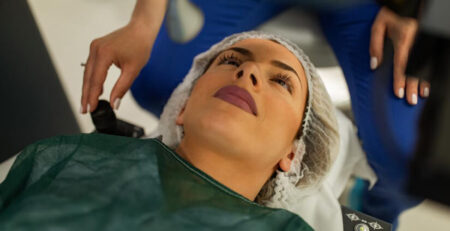
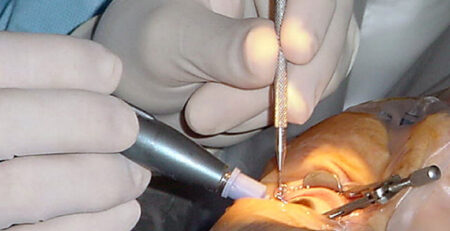
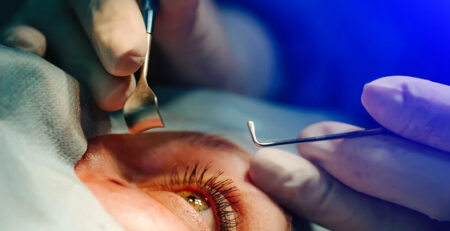
Modern cataract Surgery procedure is quick, painless, and highly successful. It involves removing the cloudy lens and replacing it with a clear artificial lens called an intraocular lens (IOL).
Here’s how it works:
- The eye is numbed with drops or mild anaesthesia.
- The surgeon makes a tiny incision in the cornea.
- The cloudy lens is broken into small pieces using ultrasound and gently removed.
- A new IOL is inserted to restore clear vision.
The entire Cataract Surgery Procedure usually takes about 10 to 15 minutes per eye. Most patients notice an improvement in vision within a few hours and full clarity within a few days. The success rate of cataract eye surgery exceeds 98% when performed by an experienced surgeon.
Life After Cataract Surgery
After the cataract surgery procedure, patients often describe their world as “brighter” and “clearer.” Colours look more vivid, and reading or driving becomes effortless again.
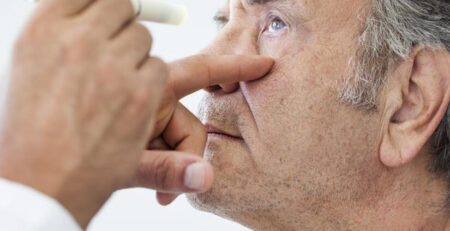
Post-surgery care includes using antibiotic and anti-inflammatory eye drops, avoiding rubbing the eyes, and wearing protective glasses for a few weeks.
Your eye doctor in Delhi will schedule follow-up visits to ensure proper healing and optimal visual results. The new artificial lens is permanent and does not require maintenance.
Why Surgery Is the Only Real Cure
Cataracts are not like infections or allergies that respond to medicine. The clouding is a physical change inside your lens that cannot be reversed. Cataract surgery procedure remains the only effective treatment to remove the cloudy lens and restore vision.
Delaying surgery for too long can make the cataract harder and more complex to remove. Early intervention ensures smoother recovery and better visual outcomes.
Restore Your Clear Vision with Dr Anisha Gupta
If you’ve been struggling with blurry or cloudy vision and are wondering whether you can manage it without surgery, now is the time to act. Dr Anisha Gupta, a leading eye doctor in Delhi, specialises in advanced cataract surgery procedures that restore vision safely and effectively.
Her clinic uses the latest surgical techniques and premium lens implants to help you see clearly and live independently again. Don’t wait for your cataracts to worsen—book your consultation today and rediscover the clarity you’ve been missing.
Frequently Asked Questions (FAQs) About Cataracts Eye Surgery
No. Once the cloudy lens is replaced with an artificial one, cataracts cannot return. However, some patients may develop a thin membrane behind the lens, which can be treated easily with a laser procedure.
There’s no fixed age. Surgery is recommended when vision starts affecting daily life, regardless of age.
Yes. The longer you wait, the thicker and harder the cataract becomes, which can make the cataract surgery procedure more complex and increase surgical risks.
Usually, surgeons treat one eye at a time, giving the first eye a few days to heal before operating on the second.
No. The procedure is virtually painless thanks to local anaesthesia and a quick recovery time.
Not exactly. Cataracts cannot redevelop after surgery, but an “after cataract” or posterior capsule opacification can occur, which is easily corrected with a laser.
A diet rich in leafy greens, citrus fruits, and antioxidant-rich foods supports faster healing and long-term eye health after cataract eye Surgery.