
Can a Parkinson’s Patient Have Cataract Surgery?
When Parkinson’s disease and cataracts occur together, families often feel unsure about the next step. Cataracts cloud vision and make everyday tasks harder. Parkinson’s disease affects movement, coordination, and sometimes communication. It’s natural to wonder whether cataract surgery is safe in this situation or whether the risks are too high.
The reassuring reality is that many patients with Parkinson’s disease can safely undergo cataract surgery. The decision depends on careful evaluation, good timing, and coordination with ongoing Parkinson’s disease treatments. With the right planning, surgery can meaningfully improve vision and quality of life.
Cataracts in Parkinson’s Disease
A cataract develops when the eye’s natural lens becomes cloudy, leading to blurred vision, glare, and difficulty seeing in low light. Parkinson’s disease does not directly cause cataracts, but both conditions commonly appear with age, so they often coexist.
For a Parkinson’s patient, poor vision can worsen balance problems, increase the risk of falls, and reduce independence. In many cases, improving vision through cataract surgery helps patients move more confidently and engage better with daily activities.
Is Cataract Surgery Safe for Parkinson’s Patients?
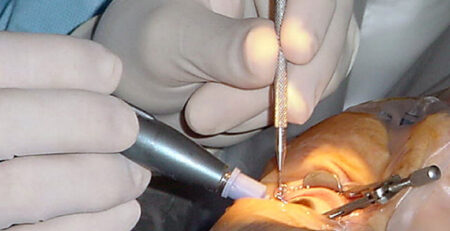
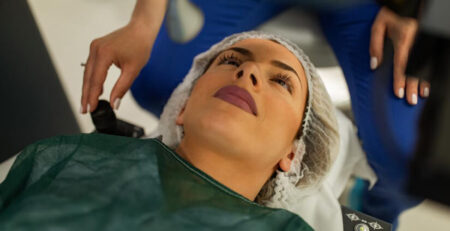
In most situations, cataract surgery is considered safe for patients with Parkinson’s disease. The procedure is short, minimally invasive, and usually performed under local anaesthesia. This makes it suitable even for patients with neurological conditions, provided proper precautions are taken.
Safety depends on factors such as:
- Severity and control of Parkinson’s symptoms
- Ability to remain relatively still during surgery
- Overall medical fitness
- Medication schedule and response
An experienced team at an eye hospital in Delhi evaluates these aspects carefully before recommending surgery.
Special Considerations Before Surgery
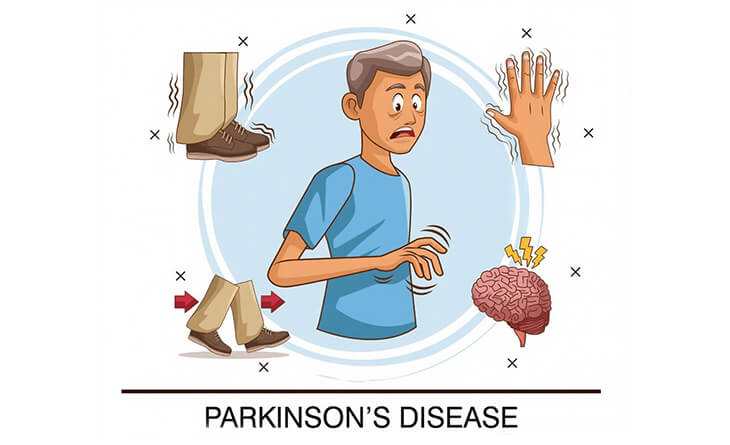
Parkinson’s disease affects muscle control and movement, which is why pre-surgical planning is especially important. The goal is to make the procedure as comfortable and predictable as possible.
Key considerations include:
- Tremors and involuntary movements: Mild tremors are usually manageable. Severe movements may require additional support or planning.
- Medication timing: Parkinson’s disease treatments are often scheduled so that symptoms are best controlled during surgery.
- Communication and comfort: The surgeon ensures the patient can understand and respond to simple instructions during the procedure.
Close coordination between the eye doctor and the patient’s neurologist helps reduce risks.
How Cataract Surgery is Adapted for Parkinson’s Patients
The cataract surgery technique itself usually remains the same, but the approach is adjusted to suit the patient’s needs.
These adjustments may include:
- Shorter surgical time
- Extra head and body support
- A calm, unhurried operating environment
- Careful anaesthesia planning
These measures help ensure that surgery proceeds smoothly, even in patients with movement challenges.
Benefits of Cataract Surgery in Parkinson’s Disease
Restoring vision often has benefits beyond clearer eyesight. Many Parkinson’s patients notice improvements in daily functioning after cataract surgery.
Potential benefits include:
- Better depth perception
- Reduced glare and visual confusion
- Improved orientation and mobility
- Greater confidence in daily activities
Clearer vision supports safer movement, which is especially important for people managing Parkinson’s symptoms.
When Surgery May Need to Be Delayed
In some cases, cataract surgery may be postponed rather than avoided. This happens if Parkinson’s symptoms are poorly controlled or if other medical issues need attention first.
With proper adjustment of Parkinson’s disease treatments, many patients become suitable candidates later. Delaying surgery does not mean giving up on it; it means choosing the safest time.
Choosing the Right Eye Hospital Matters
Cataract surgery in Parkinson’s patients requires experience, patience, and medical coordination. Choosing a well-equipped eye hospital in Delhi ensures access to proper monitoring, anaesthesia support, and post-operative care.
A skilled team:
- Explains risks clearly
- Plans surgery around neurological needs
- Provides close follow-up during recovery
This approach significantly improves safety and outcomes.
Vision Can Improve Life With Parkinson’s
Living with Parkinson’s disease already presents daily challenges. Struggling with poor vision should not be an added burden when safe treatment is possible. With thoughtful planning and coordination of Parkinson’s disease treatments, cataract surgery can often be performed safely and comfortably. Dr Anisha Gupta, an experienced eye doctor in Delhi, offers patient-centred cataract care with special attention to neurological conditions. Schedule a consultation at a trusted eye hospital in Delhi to understand whether cataract surgery is the right step forward.
FAQs About Cataract Surgery with Parkinson’s Disease
Not all, but many can. Suitability depends on symptom control, overall health, and the ability to cooperate during surgery. An eye doctor evaluates each case individually.
Mild to moderate tremors usually do not prevent cataract surgery. Surgeons take extra precautions to manage movement and ensure safety.
No. Parkinson’s disease treatments are usually continued. Medication timing is carefully planned to keep symptoms controlled during surgery.
The procedure is painless due to local anaesthesia. Mild discomfort after surgery is common but temporary.
Parkinson’s disease does not usually affect the eye’s ability to heal. Vision often improves similarly to other patients, though recovery support may be needed.
Improved vision can help with orientation and depth perception, which may indirectly reduce fall risk.
Surgery may be delayed if Parkinson’s symptoms are unstable or if other medical conditions need better control first.