How to Treat Eye Infection in Kids: A Guide for Parents
Eye infections are common in children, especially during school-going years when close contact, shared items, and developing hygiene habits increase exposure to germs. For parents, noticing redness, discharge, or swelling in a child’s eye can be worrying. The good news is that most cases of eye infection in kids are treatable and do not cause long-term damage when addressed early and correctly.
In this blog, let’s answer questions like why eye infections happen, how to recognise early signs, and when to seek medical help, which can make all the difference in protecting a child’s vision and comfort.
Why Eye Infections Are Common in Children
Children touch their eyes more often than adults, usually without realising it. They also share toys, towels, and classroom spaces, making it easier for infections to spread. A child’s immune system is still developing, which means their body may take longer to fight off infections.
Common triggers for eye infection in kids include viral colds, bacterial exposure, allergies, dust, swimming in unclean water, and poor hand hygiene. Sometimes, an infection can start in one eye and quickly spread to the other if not treated properly.
Common Types of Eye Infections in Kids
Eye infections in children can differ in cause, severity, and the level of care required. While many infections are mild and improve quickly, some need prompt medical attention to prevent complications.
Common types of eye infection in kids include:
- Viral conjunctivitis:
Often linked with colds or flu, this type causes redness, watery discharge, and irritation. It spreads easily but usually settles on its own with supportive eye treatment. - Bacterial conjunctivitis:
Characterised by thick yellow or green discharge, sticky eyelids, and redness. This form typically requires antibiotic eye drops prescribed by an eye doctor. - Allergic conjunctivitis:
Triggered by dust, pollen, or pet dander, it causes itching, redness, and watering. It is not contagious and improves with allergy-focused eye treatment. - Eyelid infections (blepharitis or stye):
These affect the eyelids and may cause swelling, redness, and tenderness near the lashes. Proper hygiene and medical care help resolve them. - Blocked tear duct infections (in infants):
Common in babies, this condition leads to watery eyes and discharge. Most cases improve with massage, while persistent infections need medical evaluation and eventually surgery. - Corneal infections:
Less common but more serious, these infections cause pain, light sensitivity, and blurred vision. They require urgent eye treatment to protect vision.
Early Signs Parents Should Watch For
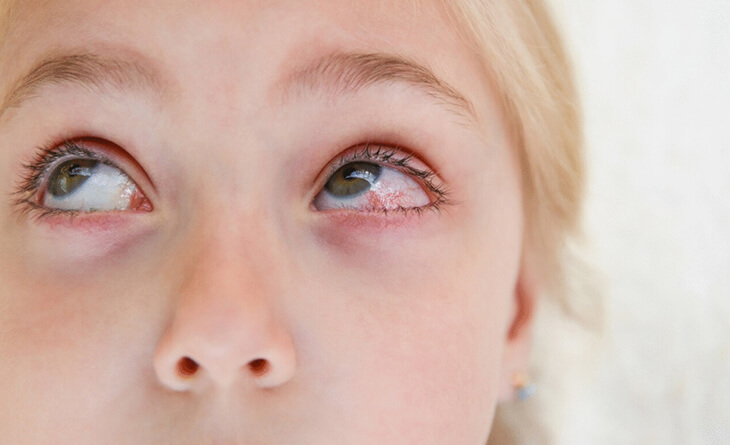
Children may not always explain discomfort clearly, so parents need to watch for visible signs. Redness in the white part of the eye, swelling of the eyelids, frequent rubbing, excessive tearing, or yellow or green discharge are common warning signs.
Some children may complain of burning, itching, sensitivity to light, or blurred vision. If a child avoids opening their eyes or appears unusually irritable, it may indicate pain or discomfort that needs attention.
Recognising these signs early allows timely eye treatment and prevents complications.
How Eye Infections in Kids Are Treated
Treatment depends on the cause of the infection. Viral eye infections usually improve on their own with supportive care, while bacterial infections often require medicated eye drops or ointments. Allergic eye infections are treated by reducing exposure to allergens and using anti-allergy eye drops.
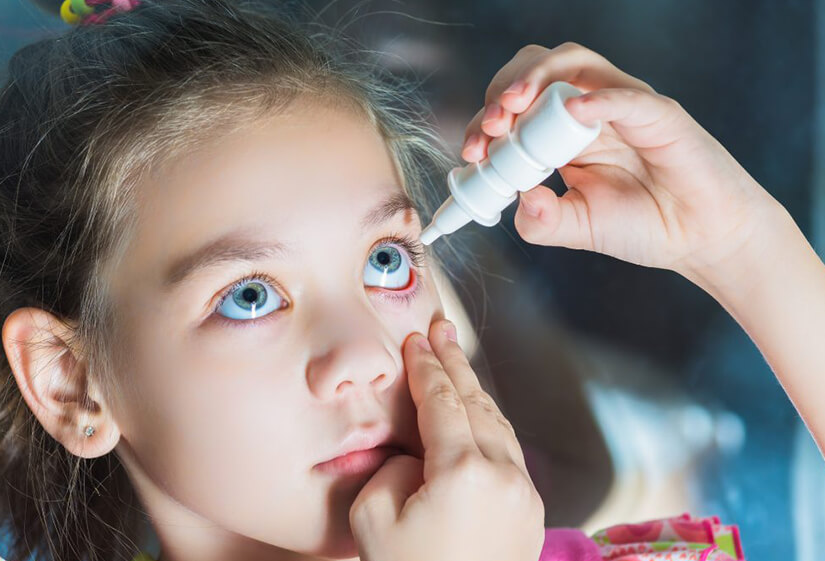
It is important not to use leftover or shared eye drops, as incorrect medication can worsen the condition. A proper eye examination helps identify the cause and ensures the right eye treatment is started.
Parents should also ensure children avoid touching their eyes and maintain good hand hygiene during recovery.
Home Care Tips That Support Recovery
Alongside medical treatment, simple home care can ease discomfort. Gently cleaning discharge with clean cotton and warm water helps keep the eye comfortable. Using separate towels and pillowcases reduces the risk of spreading infection to other family members.
Children should stay home from school if the infection is contagious, especially in cases of bacterial or viral conjunctivitis. This protects both the child and classmates while allowing proper healing.
When to Visit an Eye Doctor
While many eye infections are mild, some situations require immediate attention from an eye doctor. If symptoms worsen despite treatment, vision appears affected, pain is severe, or swelling spreads around the eye, professional care is essential.
Repeated infections or infections in very young children should also be evaluated carefully. An experienced eye doctor in Delhi can assess the condition thoroughly and guide appropriate treatment.
Preventing Eye Infections in Kids
Prevention starts with hygiene. Teaching children to wash their hands regularly, avoid rubbing their eyes, and not share personal items helps reduce infection risk. Keeping nails trimmed and ensuring clean towels and bedding also play a role.
Regular eye check-ups, especially for children with allergies or frequent infections, help maintain long-term eye health.
If your child is experiencing symptoms of an eye infection in kids, timely care can prevent discomfort and protect vision. Dr Anisha Gupta, an experienced eye doctor in Delhi, offers compassionate, child-friendly eye treatment in a safe and reassuring environment. Book a consultation at a trusted eye hospital in Delhi to ensure your child’s eye health is handled with care and expertise.
FAQs About Eye Infection in Kids
Most cases of eye infection in kids are mild and resolve with proper eye treatment. However, delayed treatment or incorrect medication can lead to complications, so early evaluation and treatment is important.
Yes, viral and bacterial eye infections are highly contagious. Good hygiene, avoiding shared items, and keeping children home when advised can prevent spread.
With appropriate eye treatment, most infections improve within a few days. Complete recovery may take up to a week, depending on the cause.
If the eye infection is contagious, it is best to keep the child home until discharge and redness reduce, as advised by an eye doctor.
Most eye infections do not cause permanent vision problems if treated early. Severe or untreated infections may increase risk, which is why timely care matters.
Home care can support comfort, but medical eye treatment should not be replaced with home remedies. Avoid using unprescribed substances in the eyes.
Visit an eye hospital in Delhi if symptoms are severe, recurrent, or not improving, or if your child complains of pain or vision changes.